
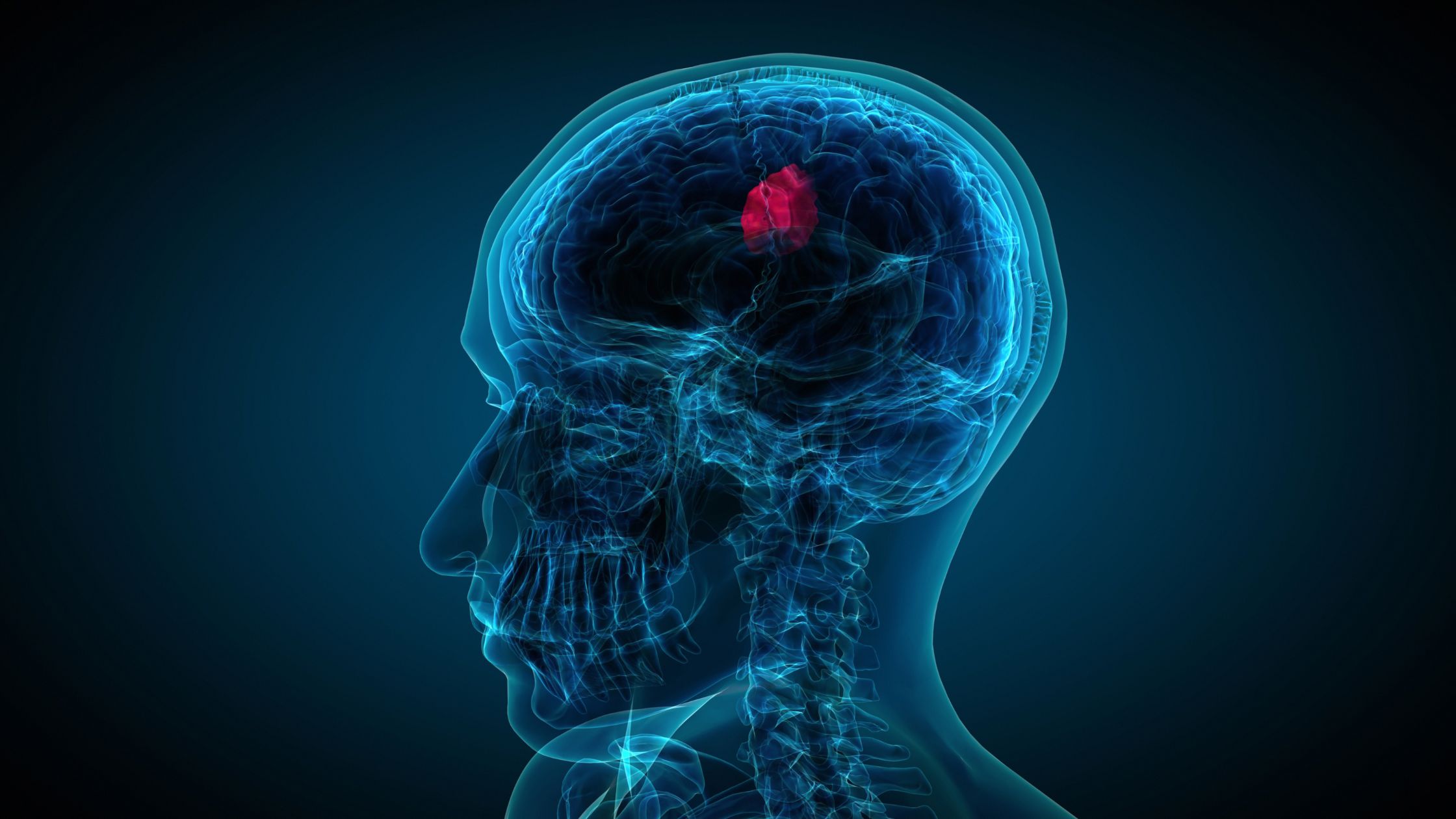
When your face suddenly feels like it’s being hit by a bolt of electricity or you hear the words “you may have a brain tumor,” it’s hard to think about anything else.
Trigeminal neuralgia is often described as one of the most painful conditions in medicine, with electric shock–like attacks that can stop people mid-sentence. A brain tumor diagnosis, even when the tumor is benign, can trigger instant fear about cancer, surgery, and the future.
The fear is real. But so is this: modern neurosurgery is far more precise, targeted, and personalized than it used to be. For many people and their caregivers, it can turn panic into a step-by-step plan.
Quick Answer: When Should You See a Neurosurgeon?
You don’t need to wait for things to become unbearable. It’s time to see a neurosurgeon if you notice:
For shocking face pain (possible trigeminal neuralgia)
- Sudden, electric shock–like pain on one side of the face
- Attacks triggered by light touch, chewing, talking, brushing teeth, or even wind
- Pain that keeps coming back despite dental work or basic pain meds
If this sounds familiar, a focused resource like “Trigeminal Neuralgia: Facial Pain Specialist Answers Your Top FAQs” can help you understand what might be going on and what questions to ask.
For a scary brain diagnosis or concern
- An MRI or CT scan showing a mass, lesion, or tumor
- New or changing seizures
- Worsening headaches, especially with vision, speech, or balance changes
- New weakness or numbness in the face, arm, or leg
In these situations, a neurosurgeon can explain what the imaging really means, whether it looks urgent, and what your options are: surgery, radiosurgery, monitoring, or other treatments.
Why These Symptoms Feel So Terrifying
The shock factor of facial pain
Trigeminal neuralgia pain is not a “regular” toothache: It
- hits suddenly, like a jolt of electricity.
- may last seconds, but feels much longer.
- can be triggered by harmless actions, such as smiling, talking, or washing your face.
People begin to fear simple tasks: brushing their teeth, eating in public, even going outside on a breezy day. Many avoid social situations because they worry about having an attack in front of others.
The weight of a brain tumor diagnosis
The word “tumor” often brings one thought: cancer.
Even when doctors say “benign,” it’s easy to imagine:
- Losing independence
- Changes in personality, memory, or speech
- Long, risky surgery with a long recovery
Family caregivers feel this weight too. They worry about what life will look like if their loved one can’t work, drive, or manage daily tasks.
Is It Trigeminal Neuralgia, Dental Pain, or Something Else?
Not all facial pain is trigeminal neuralgia, and not every brain lesion needs immediate surgery. A big part of modern neurosurgery is sorting out what’s really going on.
The trigeminal nerve and facial pain
The trigeminal nerve carries sensation from your face to your brain. When it’s compressed or irritated, it can misfire in dramatic ways.
Common features of trigeminal neuralgia:
- Electrical, stabbing, or burning pain on one side of the face
- Very short, intense attacks (seconds to minutes) that come in clusters
- Pain triggered by light touch, chewing, talking, or even a breeze
Other conditions, such as dental infections, sinus problems, and jaw issues, can cause facial pain too, but they usually feel more constant, dull, or achy.
How a neurosurgeon and facial pain specialist evaluate it
A thorough workup may include:
- Detailed history of your pain pattern and triggers
- Exam of your face, jaw, teeth, and nerves
- MRI to look for:
- A blood vessel compressing the trigeminal nerve
- Multiple sclerosis plaques
- Tumors or other structural problems
From there, treatment can include:
- Medications to calm nerve firing
- Microvascular decompression (MVD) to relieve pressure on the nerve
- Targeted procedures like radiofrequency rhizotomy or balloon compression
- Stereotactic radiosurgery (focused radiation) in selected cases
Brain Tumor Fears vs. What Modern Neurosurgery Actually Offers
Not all brain tumors are the same
“Brain tumor” is a broad term. Some tumors are:
- Benign and slow-growing
- Located in areas where they can be watched safely for a period of time
- Found incidentally on imaging done for other reasons
Others are more aggressive and need prompt treatment. A key part of neurosurgical care is figuring out which group your tumor belongs to.
How neurosurgeons evaluate a brain tumor
Your neurosurgeon considers:
- Your symptoms: headaches, seizures, weakness, speech or vision changes
- The tumor’s size, location, and appearance on MRI
- Your age, health, and personal goals
You may hear about:
- Advanced MRI sequences
- Functional imaging (to see areas of speech or movement)
- Biopsy to determine the tumor type
Modern tools and techniques
Today’s neurosurgeons have access to:
- Microsurgical techniques with high-powered microscopes
- Neuro-navigation, like GPS for the brain, to guide surgery
- Endoscopic approaches, sometimes through the nose or small openings
- Stereotactic radiosurgery (e.g., Gamma Knife) for certain tumors
The goal is to treat the tumor as effectively as possible while protecting brain function and quality of life.
Common Fears vs Modern Neurosurgical Reality
A quick comparison helps patients and caregivers see how much has changed:
| Common Fear | What People Picture | Modern Neurosurgery Reality |
| “Brain surgery means huge scars and months in the hospital.” | Big incision, shaved head, long ICU stay. | Smaller openings, focused approaches; many patients up and walking within days when safe. |
| “This face pain means I’ll be on strong pain meds forever.” | Lifelong medication, constant pain, no normal life. | Many with trigeminal neuralgia improve with targeted medications or procedures that reduce or stop attacks. |
| “A brain tumor diagnosis is always a death sentence.” | Rapid decline, no control over what happens. | Many tumors are benign or slow-growing; surgery, radiosurgery, and careful monitoring can offer long-term control. |
| “Seeing a neurosurgeon means I have to say yes to surgery.” | Pressure to operate right away. | Consultations are about information, options, and shared decisions—not forced surgery. |
How a Neurosurgeon Turns Panic into a Plan
Step 1: Listening to both patients and caregivers
A good neurosurgeon listens carefully to:
- How the pain or symptoms started and changed
- What day-to-day life looks like
- What worries you the most
Caregivers are important here. They often:
- Notice changes the patient may miss
- Help describe memory, mood, or behavior shifts
- Provide context about daily function and safety
Step 2: Reviewing images and options together
Instead of just saying “you have a tumor” or “it’s trigeminal neuralgia,” a neurosurgeon should:
- Show you the MRI or CT images and explain them in plain language
- Outline what is known and what is still uncertain
- Walk through options:
- Watchful waiting with repeat scans
- Medications and non-surgical treatments
- Procedures or surgery
- Radiosurgery or other targeted therapies
Step 3: Matching treatment to goals
A real plan considers:
- Symptom relief: pain control, seizure control, less fear of attacks
- Function: walking, working, speaking, driving
- Life responsibilities: caregiving for others, job demands, finances
Caregivers can speak up about what’s realistic at home: who can help, what kind of support is available, and where outside services might be needed.
The Role of Caregivers: Partners, Not Just Bystanders
When you’re the one in pain or facing surgery, it can be hard to take in information. Caregivers often become the second set of eyes and ears.
How caregivers can help
- Attend appointments and take notes or record instructions (with permission).
- Help organize medications, appointments, and follow-up tests.
- Watch for changes in mood, memory, or function and report them.
- Encourage rest, healthy meals, and gentle activity when safe.
Protecting caregivers from burnout
Caring for someone with intense pain or a brain tumor is heavy. Caregivers should also:
- Ask questions and speak up about what they need to feel confident providing care.
- Accept help from friends, family, or professional support services when offered.
- Take breaks and protect time for sleep, exercise, and their own medical care.
A strong neurosurgical team sees caregivers as partners in care, not extra people in the room.
Living Your Life While You Make a Big Decision
You don’t have to decide everything in one visit. While you’re weighing options:
- Write down questions as they come up.
- Avoid endless late-night searching that increases anxiety. Focus on reliable sources and information from your care team.
- Consider a second opinion if the recommended treatment is major or if you’re unsure. Good specialists understand and support this.
Most importantly, remember: asking for more information is not “being difficult.” It’s taking ownership of your health.
Key Takeaways
- Shocking facial pain and brain tumor diagnoses are frightening—but not hopeless. Modern neurosurgery offers targeted, safer options than in the past.
- Trigeminal neuralgia is often intensely painful but treatable. Accurate diagnosis and modern treatments can greatly reduce or even stop attacks in many patients.
- Not all brain tumors are the same. Some are benign or slow-growing, and many can be managed with a combination of surgery, radiosurgery, medication, and monitoring.
- Seeing a neurosurgeon doesn’t automatically mean surgery. It means getting clear information, tailored options, and a plan that fits your life.
- Caregivers play a crucial role. They help communicate, support recovery, and watch for changes, but they also need support and clear guidance themselves.
- The real goal isn’t just surviving a diagnosis. It’s preserving quality of life—less pain, better function, and a plan that turns fear into action.
With the right team, good information, and support for both patients and caregivers, even the scariest-sounding diagnoses can become understandable, and manageable, steps on a path forward.