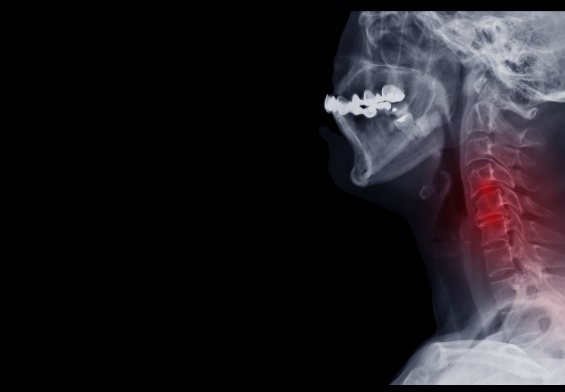
Imagine lacing up your running shoes or grabbing your golf clubs, only to be stopped by a sharp neck pain that radiates down your arm. For active adults, this isn’t just inconvenient—it’s a threat to your passion. The big question: If surgery is needed, does it mean game over? Not at all. With over 95,000 cervical spine surgeries performed annually in the US, and cervical disc replacement growing at a CAGR of about 12% from 2025 to 2030, many athletes are bouncing back stronger. Techniques like anterior cervical discectomy and fusion (ACDF) and disc replacement are game-changers, preserving mobility and relieving pain.
But which is right for your sport? We’ll compare ACDF’s stability versus disc replacement’s flexibility, dive into recovery timelines, share real athlete stories, and bust myths. If neck issues are benching you—whether you’re searching for “returning to contact sports after ACDF” or “disc replacement recovery for runners”—read on. Surgery could be your ticket back to the field.
Quick Answers: What You Need to Know Right Now
- Can I play sports after ACDF? Yes, often with modifications; success rates hover around 73-80%, but fusion may limit high-impact activities.
- Can I play sports after a disc replacement? Absolutely, with preserved motion; return rates up to 80-88%, ideal for dynamic sports.
- Recovery timeline for athletes? ACDF: 3-6 months to full play; Disc replacement: 2-3 months—quicker for low-contact activities.
- Key factor: Surgeon clearance is essential; results vary by sport intensity, age, and fitness level—most return to pre-injury levels.
Understanding Neck Issues in Active Adults: Why Surgery Might Be Needed
Active lifestyles—think tennis serves, soccer headers, or gym lifts—can strain your cervical spine over time. Common causes include herniated discs compressing nerves, degenerative disc disease eroding cushions, or stenosis narrowing pathways, leading to pain, numbness, or weakness that hampers performance.
Conservative treatments like physical therapy, rest, or injections often resolve issues, but if symptoms persist for months or worsen (e.g., dropping a racket due to arm weakness), surgery prevents permanent damage. Athletes fear losing agility or strength, but modern options minimize that—early intervention keeps you in the game longer, especially for those querying “ACDF recovery for athletes in San Diego.”
What is ACDF? Stability for Contact Sports
ACDF, a standard for decades, involves a front-neck incision to remove the damaged disc and fuse vertebrae with a graft and hardware. It provides unbreakable support, like welding a weak link in a chain.
Benefits for sports: Pain relief exceeds 90%, with spine fortification—ideal for contact-heavy pursuits like football or wrestling.
Drawbacks: Motion decreases at the fused spot, with a 10-20% chance of adjacent wear over years, possibly affecting long-term athletic careers.
Back to play? Typically 3-6 months, with light training at 4-6 weeks. For returning to contact sports after ACDF surgery, modifications like avoiding heavy collisions are key. NFL players show a 70-87% return rate, often playing for additional months. One golfer resumed tournaments six months out, pain-free and adapting their swing.
What is Disc Replacement? Flexibility for Dynamic Activities
Disc replacement uses a similar approach but inserts an artificial disc—metal and plastic that mimics natural glide, maintaining neck nimbleness.
Benefits: Retains range of motion, reduces reoperation risks to 5-10%, and accelerates recovery—suited for rotational sports like basketball or swimming.
Drawbacks: Optimal for single-level issues; not for severe arthritis. Long-term data (solid at 10-15 years) continues to grow, though less extensive than ACDF’s.
Return timeline? Often 2-3 months, with light activity at 4-6 weeks. For disc replacement recovery time for runners and golfers, preserved flexibility shines. A triathlete hit the trails three months post-op, achieving personal records without stiffness.
ACDF vs Disc Replacement: Which Wins for Sports Enthusiasts?
The choice depends on sport demands: Contact favors ACDF’s toughness; agility prefers disc replacement’s flow. Younger athletes (under 50) often select replacement for longevity. Here’s the matchup:
| Aspect | ACDF (Fusion) | Disc Replacement |
| Motion Preservation | Limited at level | High, natural feel |
| Pain Relief | 90%+ success | Similar high rates |
| Reoperation Risk | 10-20% (adjacent issues) | 5-10% lower |
| Best Sports | Contact/stable (e.g., weightlifting, rugby) | Dynamic/rotational (e.g., golf, tennis) |
| Recovery to Play | 3-6 months | 2-3 months |
| Long-Term Athlete Fit | Proven for durability | Growing for agility |
Consider a 35-year-old soccer player with one bad disc: Disc replacement enables dodging and heading without limits. A 50-year-old weightlifter with multi-level wear? ACDF’s stability prevents breakdowns. Both offer 73-88% satisfaction—disc replacement often edges out in long-term success.
What Sports Are Safe After Disc Replacement or ACDF?
Safe sports post-surgery vary by procedure. After ACDF, low-impact options like swimming or cycling are safest initially, progressing to contact sports with clearance—studies confirm RTP is safe for asymptomatic athletes. For disc replacement, dynamic activities like tennis or running resume faster, with 70% of surgeons agreeing it’s safe for physically demanding roles. Avoid extreme sports like aggressive mountain biking long-term to protect the neck.
Tips for Returning to Sports Safely Post-Surgery
Success rates for returning to pre-injury play reach 70-88% with proper rehab. Follow these guidelines: Obtain surgeon clearance, ramp up gradually (from walking to jogging), and monitor for new pain.
- ACDF-specific: Strengthen the core to offset fusion; start with non-collision activities.
- Disc replacement-specific: Focus on range-of-motion exercises; embrace twisting sports.
- Support system: Involve caregivers for PT transport or motivation; coaches for technique adjustments.
- Myth bust: “Surgery ends careers”—martial artists return safely within a year, with 88% success.
Take Your Shot at Recovery
Neck surgery isn’t a red card—it’s a halftime reset. ACDF delivers rock-solid pain relief for stable sports; disc replacement keeps you agile for dynamic ones. With high success rates and most athletes back in months, fear shouldn’t sideline you.
Key Takeaways
- ACDF provides stability for pain-free play in stable sports: Over 90% relief, ideal for contact athletes.
- Disc replacement excels in preserving motion for dynamic activities: Lower risks, faster returns—great for rotational pros.
- Most patients return to sports within months with proper rehab: 70-88% hit pre-injury levels; timelines 2-6 months.
- Early evaluation maximizes athletic recovery: Don’t delay—surgery prevents permanent benching.
- Success depends on procedure fit, fitness, and support: Team with experts for your best play.
Reference Links:
- https://pubmed.ncbi.nlm.nih.gov/40194696/
- https://www.mordorintelligence.com/industry-reports/cervical-total-disc-replacement-market
- https://pmc.ncbi.nlm.nih.gov/articles/PMC5582714/
- https://www.sciencedirect.com/science/article/abs/pii/S0972978X23000879
- https://www.neurosurgeonsofnewjersey.com/blog/acdf-vs-artificial-disc-replacement/