
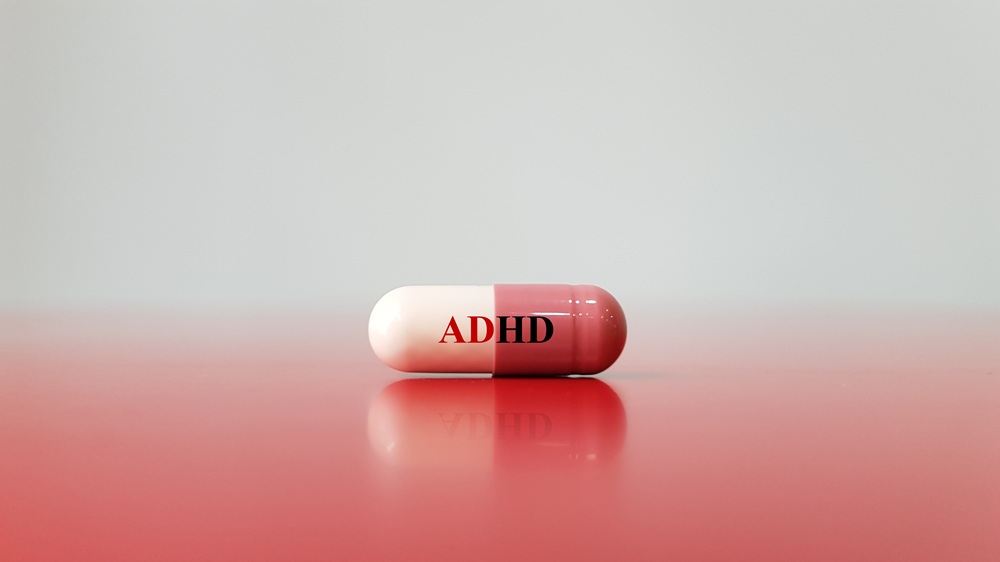
Does anxiety and ADHD go together? For many adults, the answer is yes. One condition often hides behind the other. Some adults spend years in therapy. They try medications. The anxiety gets better for a while. Then it comes back.
For many of those adults, ADHD was there the entire time. It was just harder to name. When a proper ADHD evaluation finally happens, clinicians see which condition was driving the other. That is often why anxiety treatment alone kept failing.
Does Anxiety and ADHD Go Together? More Often Than People Realize
A 2026 study in Molecular Psychiatry examined over 650,000 people. It found 47% of adults with ADHD also had an anxiety disorder. A 2025 review in Frontiers in Psychiatry added more. When both are present, each condition gets worse. They make each other more severe. Around 80% of adults with ADHD have at least one other condition. Anxiety disorders are the most common.
So, does anxiety and ADHD go together at high rates? The evidence says yes, and the rates keep rising. New research looks closely at how the two conditions reinforce each other.
Why Anxiety and ADHD Go Together So Often
Older studies put the overlap at around 25%. Newer studies put it much higher. In one 2022 study of 353 adults with ADHD, 56% had an anxiety disorder. The Anxiety and Depression Association of America estimates the rate at 50%. The more researchers study the interaction, the higher the numbers get.
Why One Condition Gets Missed
Anxiety is more visible. It has a clear name. It has a well-known treatment path. When someone arrives describing worry, poor sleep, and trouble concentrating, anxiety is what clinicians look for first.
ADHD in adults looks less obvious. Forgetting things not connected to worry, struggling to start tasks even when motivated, and losing track of time all get blamed on stress. Many adults stay in anxiety treatment for years before anyone looks deeper. ADHD symptoms written off as stress are so common that researchers now call it late identification in adults with inattentive presentation.
In women the gap is especially long. A 2025 study by Holden and colleagues followed late-diagnosed women. Many heard for years they were just anxious. It went unquestioned while ADHD stayed hidden into their thirties and forties.
When Both Conditions Are Present the Brain Has Less to Work With
The Cognitive Load Problem
A 2025 study by Rauch and colleagues found that anxiety predicted poorer working memory in adults with ADHD. ADHD already affects working memory. Anxiety adds more load on top. It creates intrusive thoughts and worry loops. It triggers constant threat monitoring. All of that uses up working memory. In someone without ADHD, that is manageable. In someone with ADHD, it can push the brain into severe impairment. Neither condition alone would do that.
How the Two Conditions Amplify Each Other
Severely impairing ADHD traits show up more often when anxiety is also present. The two conditions do not simply add together. They change the severity of each other. They create problems neither would cause alone. Anxiety in people with ADHD also starts earlier. When both are present, depression, sleep problems, and substance use all become more likely.
Someone with both conditions is harder to evaluate. That is why adult ADHD assessment and treatment for these cases covers history across many settings, not just current symptoms.
Telling the Two Apart When Anxiety and ADHD Go Together
Both conditions cause poor concentration, restlessness, sleep problems, and irritability. A clinician looking for one can easily miss the other.
ADHD-specific symptoms: forgetting things unrelated to worry, losing objects, impulsive decisions and speech, time blindness, trouble starting tasks even when motivated. Anxiety-specific symptoms: physical tension, worry about specific future situations, avoiding feared outcomes.
Anxiety causes inattention through mental overload. Untreated ADHD causes chronic worry through missed deadlines and repeated failures at simple tasks. By the time someone seeks help, both conditions have often been making each other worse for years.
When an Evaluation Is the Only Way Forward
A provider screening only for anxiety will find anxiety. The patient arrives describing worry, poor focus, and bad sleep. The ADHD stays hidden. Treatment works on what is visible. The attention and executive problems go untreated.
A full evaluation looks at both conditions at once. It covers school, work, and relationship history. Adults who spent years in anxiety treatment without lasting results often never received treatment for their attention deficits. Executive functioning and emotional regulation support targets those deficits directly. Standard anxiety treatment does not reach them.
What Treatment Looks Like When Anxiety and ADHD Go Together
Why One Condition at a Time Often Falls Short
Research on stimulants in adults with both conditions shows mixed results. One study found lower effectiveness. Others found no difference. The outcome depends on which condition is primary and how long both have been present.
A 10-year study found that treated ADHD patients had less secondary anxiety than untreated peers. For many adults, anxiety comes from untreated ADHD. Chronic dysregulation drives it. It is not a separate condition with its own origin. In those cases the anxiety keeps coming back. The ADHD causing it still goes untreated.
CBT that includes ADHD strategies covers more of the clinical picture than anxiety CBT alone. Medication calibrated to both diagnoses helps further. For adults whose attention problems did not improve after anxiety treatment, therapy addressing both conditions together works on what anxiety-focused care misses.
Frequently Asked Questions
Does anxiety and ADHD go together often?
Yes. Research shows they co-occur in roughly 47 to 56% of adults with ADHD. They also make each other worse. Identifying both conditions together leads to better treatment outcomes than treating one alone.
Can anxiety cause ADHD symptoms?
Anxiety does not cause ADHD. But it produces similar symptoms. Poor concentration, restlessness, and sleep problems all appear in both. This is why clinicians often treat one and miss the other. ADHD can go undetected for years in adults who first received an anxiety diagnosis.
Is it possible to have ADHD without anxiety?
Yes. Roughly half of adults with ADHD have no anxiety diagnosis. Adults with ADHD but no anxiety tend to show more impulsivity and executive problems than internal worry. That difference helps tell the two apart.
Does treating ADHD help with anxiety?
Often yes. A 10-year study found treated ADHD patients had lower anxiety rates than untreated peers. For many, anxiety was coming from the ADHD itself. Results vary. Some people need both treated at the same time.
What type of doctor handles both ADHD and anxiety?
Psychiatrists with adult ADHD experience are best placed to assess both at once. Psychologists can also run full evaluations. Look for a provider who screens for both rather than treating them as separate referrals.
What Gets Missed When Only Half the Picture Is Treated
Adults who find out they have both ADHD and anxiety at the same time spend less time on treatments that don’t work. Years of treating only what is visible add up. The patterns those years create do not go away fast. Research since 2020 has shown how ADHD and anxiety interact through working memory, emotional regulation, and brain biology. Earlier studies missed this by looking at the two conditions apart. How fast those findings reach everyday clinical practice is a slower question.
Sources
Prevalence of ADHD in Pediatric and Adult Clinical Populations – Molecular Psychiatry, 2026
Adult ADHD and Comorbid Anxiety and Depressive Disorders – Frontiers in Psychiatry, 2025
Comorbidity Between ADHD and Anxiety Disorders Across the Lifespan – PubMed
Adult ADHD and Anxiety – Anxiety and Depression Association of America