
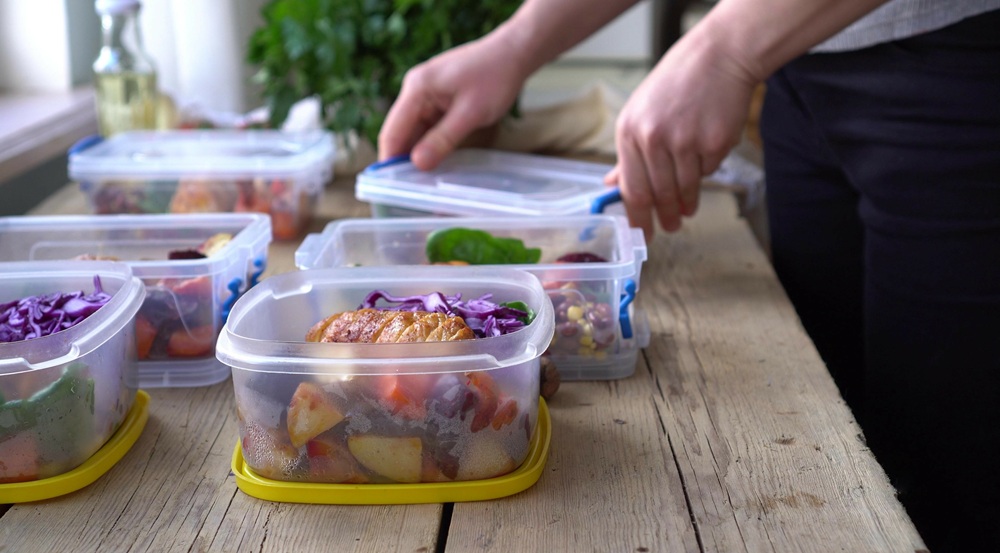
Meal prep for dietary restrictions seems straightforward. But like any routine, it can fall apart if you are doing it every week with no plan. The hard part is not cooking. It’s keeping a steady consistency when needs or life changes. May it be adjustments for sensory (including autism), diabetes, aging, and medication-related restrictions.
This guide gives you a repeatable weekly system you can stick with. Learn how to set food rules that are easy to follow. How to shop without second-guessing. How to keep the plan going when life gets busy. It’s difficult to coordinate meals alongside other day-to-day responsibilities. It also helps to understand what an extra caregiver can help with, so that all needs do not fall on one person.
How to Start Meal Prep for Dietary Restrictions With a Simple Ruleset
The first step is simple: make clear rules. When meal prep feels exhausting, it’s often because restrictions are fuzzy. You have to double, triple, check everything, every time.
Make the rules easy to follow
Write a one-page ruleset in everyday words. Keep it visible in the kitchen or save it on your phone. Split it into two parts:
- Non-negotiables: foods or ingredients that cannot happen.
- Flex items: foods that might work depending on the day.
This small step prevents repeat confusion. If more than one person helps with meals, it can make intentions clear.
Add a weekly “what changed?” note
Dietary needs can shift fast. Many variables such as sleep, stress, dental pain, blood sugar, medication, etc.
Instead of guessing, add a quick note once a week:
- What worked well?
- What caused trouble?
You are building a memory, not a spreadsheet. Small wins from being able to predict what may work well comes with practice.
Choose a “safe default”
A safe default is a reliable option that you can always count on when plans change. This should be an easy, predictable meal that is easily accessible. This will reduce stress because you won’t need to improvise under pressure.
Build a Weekly System You Can Repeat
If you’ve ever researched restricted meal-prep before, you know that the results are typically a long list of recipes. You do not need to scan for hours to find out where to start. A weekly system that works for you is the best place to start. It helps others follow the plan and keeps you from having to start new every week.
Why “systems” beat “recipes”
Recipes are a fine way to start, but they are not a backbone of your routine. What will work is a repeatable program: a small rotation, a short prep window, and a simple way to organize the food.
The weekly routine that actually sticks
Here is an example of a loop you can use each week. This keeps meal prep for dietary restrictions consistent. This way you can save some time and not feel like your Sunday’s are a full-time job.
-
Review your dietary protocol:
Confirm non-negotiables, note changes (medicine, appetite, blood sugar, etc.)
-
Choose a small rotation:
pick 2 repeatable dinner patterns and 1 backup option.
-
Plan a safe default
: have a backup plan for when the day becomes stressful.
-
Shop from a “yes list”
(30 to 60 minutes): buy what you already know works.
Grocery Planning for Dietary Restrictions: How to Shop Faster and With Less Stress
The grocery store. This is where restricted meal prep often falls apart. Imagine, you are tired, in a hurry, and the label reading starts to feel endless. There are ways to make shopping feel more automatic.
Build a “yes list” of safe items
Most stress in the store comes from uncertainty. When a product works, buy it again. Familiarity is not boring here. It is how you keep the routine steady.
If you are able, keep photos of labels that have worked before on your phone. This is an easy tip to save time when packaging changes.
Plan for low-energy weeks on purpose
Some weeks, things will come up and cooking will not happen the way you want. This is all normal. The best move is to shop with one rescue plan in mind. This is so the diet does not collapse into skipped meals or ordering out.
A simple rule: every grocery trip, add one backup dinner you can make in 10 minutes with minimal cleanup.
Labeling and Organization That Prevent Mistakes
If restrictions are serious, labeling is not optional. It is the system.
Make safety obvious
These three questions should be obvious when storing your food: what is it, when was it made, is it safe?
If you are supporting someone who reheats food without checking, clear labels and creating a “safe zone” can help prevent accidents.
Reduce mix-ups in shared kitchens
If cross-contact is a risk, be strict during prep. Clean as you go. Use separate utensils when needed. Keep restricted-safe items stored together.
Meal Prep Adjustments for Real-Life Needs: Autism, Diabetes, Seniors, and Medications
Here are some examples so you can tweak your plan to meet your needs. If you already have a system, these are some helpful suggestions to guide you in the right direction.
Sensory preferences, including autism
When sensory needs affect eating, predictability often matters as much as nutrition. Keep one safe option that stays the same week to week and make changes around it.
Also consider “separated” meals when mixing textures causes stress. The same foods but not combined. This may help with consistent eating, rather than someone with sensory issues picking their food apart. If your household also needs routine support beyond the kitchen, companion caregivers use sensory awareness and structured routines to help autistic adults feel safer and more consistent day to day.
Diabetes-friendly structure
You do not need a separate meal prep plan for diabetes. Keep the same system but focus on steady portions and balance. When carbs are consistent and paired with protein and fiber, daily patterns are easier to manage.
You may not need a separate meal prep plan for diabetes. Consult with your clinician or dietitian. Keep whatever system is working but focus on steady portions and balance. Patterns are easier to manage when meal prep stays consistent. If you need additional help with dietary needs at home, you may want to consider supportive in home care for your loved one.
Aging and medication-related dietary restrictions
For older adults, restrictions can be hard. This may be because of appetite changes, chewing comfort, fluid needs, or medication interactions. Keep meals easy to eat, easy to reheat, and create smaller portions.
Hydration can also be part of a meal-plan routine. If fluids are a part of your loved one’s plan, it’s important to know what to look for and how to help them.
When Consistency Is the Hardest Part
If meal routines keep collapsing, the issue is not willpower. It is support. Do not feel bad if you can’t provide without a plan, anyone would feel stressed in that situation. If you are constantly scrambling midweek, food is running out, or you feel stressed and on the brink of burnout. The plan needs help.
What to do if you need help
In home support is an option for many families choose. Support often includes grocery runs, meal prep help, and keeping routines on track. An extra caregiver can give everyone a sense of freedom and independence.
Key Takeaways
Meal prep for dietary restrictions works best when it’s within a system. This is not a weekly reinvention. If you keep a clear ruleset, shop from a “yes list” and prepare flexible components, you’ll be able to shift with real life. With clearer labels, the plan is safe, and easy to follow. Adding small adjustments for sensory needs is normal. Structure for diabetes, aging, or medication-related restrictions does not need to be stressful. When plans fall apart, adding support so all the work does not fall on one exhausted person is okay.
FAQ: Meal Prep for Dietary Restrictions
1) What is the easiest way to start meal prep for dietary restrictions?
Use clear rules. Write a ruleset that is simple, use non-negotiables and flex meals as a starting point. When restrictions aren’t certain, you end up double and triple checking everything. This ruleset will make things feel less exhausting.
2) How do I keep meal prep consistent when needs change (sensory, diabetes, meds, aging)?
Once a week try writing out what worked well and what caused trouble. Each week review it and change one small thing. This will keep consistency steady when life changes, without rebuilding the whole plan.
3) What is a “safe default” meal, and why does it help?
Having a safe default means there is always a reliable option. Even when things change. This should be an easy, predictable, and accessible food item. This way, you won’t have to improvise. Safe defaults are what keeps a routine from falling apart when things get stressed.
4) How do I grocery shop faster for dietary restrictions?
Slowly build a “yes list” of safe items. Buy what you already know works. If possible, keep photos of labels that have worked before. This will save time in case of packaging changes, and it will help shopping feel more automatic.
5) What should I do during low-energy weeks when cooking won’t happen?
Plan for it on purpose. This is inevitable for anyone. Make the rules solid though: every grocery trip, add one backup dinner. This should be a dinner you can make in 10 minutes. This stops restrictive diets from collapsing into skipped meals or ordering out.
6) How do I prevent mistakes with dietary restrictions at home?
Treat labeling like it’s part of the system. Make things obvious when labeling: what is it, when was it made, and is it safe? If you know someone will re-heat food without checking, create a “safe zone” in your fridge. This will keep cross-contact probability low.