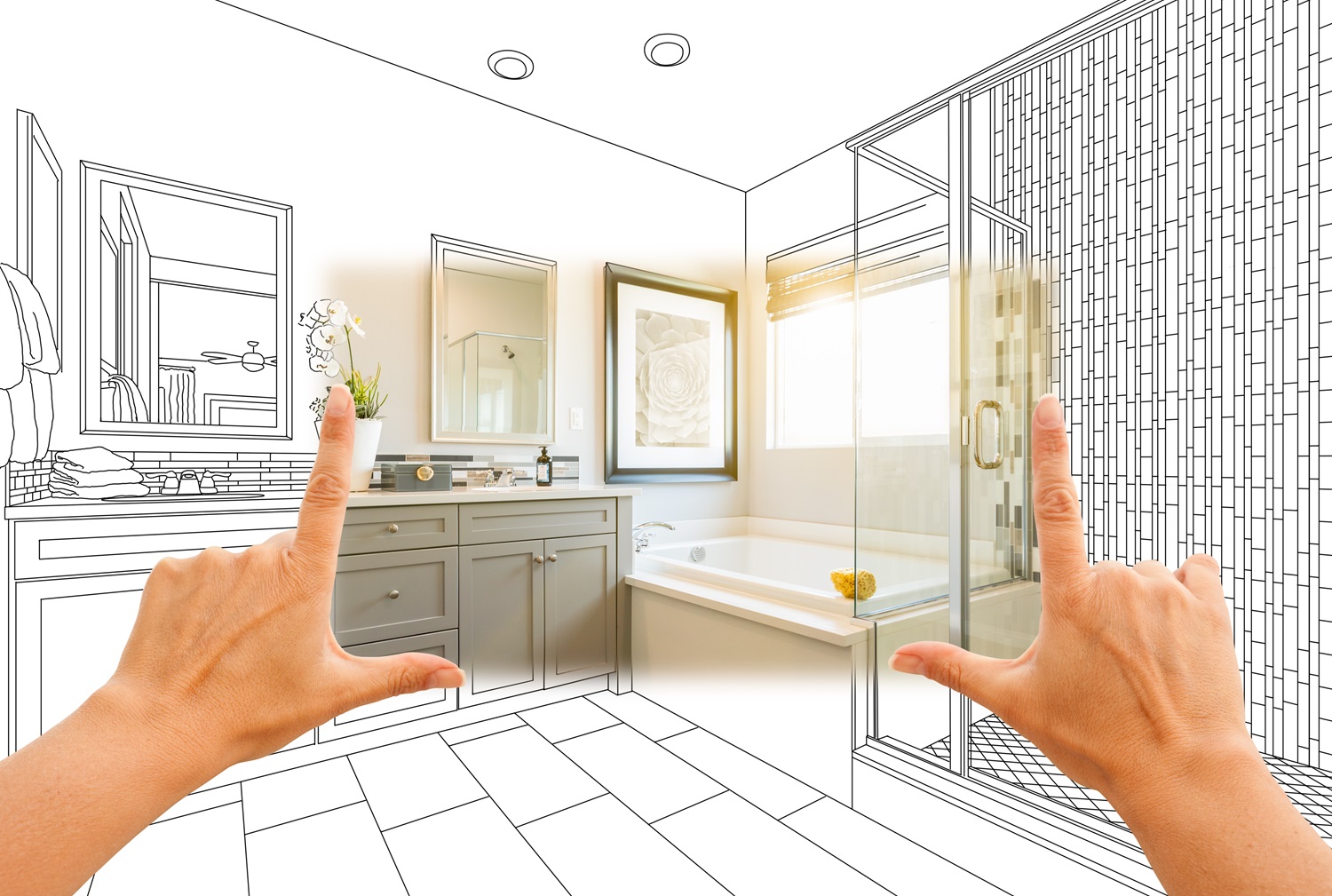
Renovating your bathroom is certainly exciting, but it also comes with its own set of challenges. It’s used every single day and should be a sanctuary. Thus, you should never be stuck with a bathroom you hate. That’s why material selection, especially the flooring, has a huge role in any bathroom remodel in Charleston, SC and beyond.
Charleston, specifically, comes with a unique set of quirks that require special consideration. Proximity to the coast makes it humid and moist. That adds tons of daily wear to your bathroom materials, which is why your selections need to withstand more than just a splash of water every now and then.
Flooring, specifically, is one of the biggest elements of any bathroom. It sets the tone for the entire space and plays a major role in durability, maintenance, and long-term value. The wrong flooring can warp, develop mold, or need to be replaced. All those things are incredibly expensive to deal with, which is why you need to make the right choice from the start.
So what flooring actually works best in Charleston bathrooms? Let’s break it down.
Quick Answer: What Is the Best Flooring for a Bathroom Remodel in Charleston, SC?
The best flooring for a bathroom remodel in Charleston, SC is a 100% waterproof option such as porcelain tile, ceramic tile, luxury vinyl, or natural stone. These materials resist humidity and moisture, making them ideal for coastal bathrooms in South Carolina.
Why Bathroom Flooring Choices Matter for Charleston Homeowners and Coastal Homes
Moisture is an inherent part of every bathroom, but Charleston adds another layer of complexity. There’s more moisture here than other areas due to the high humidity, warm temperatures, and coastal air.
That’s why water-resistant flooring doesn’t always cut it. You want 100% waterproof flooring. Moisture will bounce off instead of seeping into the seams, reaching the subfloor, and materializing issues like mold, soft spots, or unpleasant odors. That’s why homeowners planning a bathroom remodel in Charleston, SC should focus on durable waterproof flooring for coastal bathrooms, not just attractive finishes.
What Type of Bathroom Flooring Is 100% Waterproof?
But which flooring is truly, 100% waterproof? It depends on the materials within. They shouldn’t absorb water, and should be able to handle prolonged moisture exposure.
Durable waterproof flooring for coastal bathrooms tends to use materials like porcelain, ceramic, luxury vinyl, and natural stone (as long as it’s properly sealed). Each can handle humid, moist environments with proper installation and planning, especially when paired with smart layout decisions that maximize space and functionality, similar to principles explained in this guide on the 3×4 kitchen rule and space-saving design.
Why Porcelain and Ceramic Tile Are Popular for Bathroom Remodels
The vast majority of bathroom floors are either porcelain or ceramic tile, and there’s a good reason for that. These materials are non-porous, highly durable, and resistant to water.
Porcelain tile is especially popular because it is denser and less absorbent than ceramic tile. It handles humidity well and stands up to heavy use. If you’re looking for the best tile for humid bathroom remodels in South Carolina, porcelain is often the top recommendation.
Is Luxury Vinyl Flooring a Good Choice for Charleston Bathrooms?
Luxury vinyl flooring’s proliferating more and more bathroom remodels, as well. Modern technology enables luxury vinyl planks to be fully waterproof, not just water-resistant.
One of the biggest advantages of luxury vinyl is comfort. It’s warmer and softer on the feet than regular tile. Thus, it’s more pleasant to stand and walk on. It also can mimic more natural wood or stone designs without the moisture risks.
When Natural Stone Makes Sense for Bathroom Flooring
Natural stone flooring, such as marble, slate, or travertine, is another waterproof option when properly installed and sealed. Stone offers a high-end, timeless appearance that many homeowners love.
But, stone does need more maintenance than tile or luxury vinyl. It needs to be sealed regularly to maintain the full waterproofing and prevent staining. The humidity and extra moisture in Charleston makes it more sensitive to these needs.
Bathroom Flooring Options That Do Not Hold Up Well in Moisture
Some flooring materials are commonly used in other parts of the home but perform poorly in bathrooms.
Hardwood flooring, even when sealed, can warp or swell over time when exposed to moisture. Laminate flooring is particularly vulnerable because water can penetrate seams and cause the core to break down. Carpet is rarely recommended for bathrooms because it traps moisture and can lead to mold issues, which often require intervention from professionals similar to those described in this overview of what commercial plumbing contractors do.
What Is the Best Bathroom Flooring for Humid and Coastal Homes?
What bathroom flooring holds up best in Charleston’s humidity? Materials that resist moisture absorption and dry quickly tend to perform best.
Porcelain tile, ceramic tile, luxury vinyl, and sealed natural stone consistently perform well in coastal homes. These materials protect the subfloor and stand strong in the face of steam and spills.
How Bathroom Flooring Impacts the Cost of a Bathroom Remodel in Charleston, SC
Flooring impacts both the upfront cost and the long-term value of a bathroom remodel. Some materials cost more at first, but need less maintenance or replacement over time.
Tile and stone typically involve higher installation complexity. Subfloor preparation, waterproof underlayment, and proper sealing all factor into total costs. Timing can also affect pricing, which is why some homeowners research the best time of year to renovate a bathroom when planning their projects.
How Homeowners Can Choose the Right Bathroom Flooring for Their Remodel
When deciding on bathroom flooring, homeowners should focus on a few core considerations:
- Moisture resistance and waterproof performance
- Durability in humid, coastal conditions
- Maintenance requirements
- Comfort and slip resistance
- Long-term value and lifespan
Balancing these factors helps guarantee you’re making the best flooring choice for your lifestyle and environment.
Why Proper Installation Is Critical for Waterproof Bathroom Flooring
Even the best waterproof flooring can fail if it’s not installed correctly. Proper subfloor preparation, sealing, spacing, and slope are essential in bathrooms.
Professional installers understand how moisture behaves and how to protect vulnerable areas like seams, drains, and transitions. Working with a local Charleston bathroom remodel service confirms you have someone that knows the area in your corner.
Bathroom Remodel Support for Charleston, SC Homeowners
A successful bathroom remodel requires more than choosing the right flooring. It involves understanding local conditions, building requirements, and long-term durability.
Homeowners planning a bathroom remodel in Charleston, SC often enjoy working with experienced local professionals who understand coastal construction challenges and moisture management.
Key Takeaways: Choosing the Best Bathroom Flooring in Charleston, SC
- Choose 100% waterproof flooring designed for humid, coastal bathrooms
- Porcelain tile and ceramic tile perform best in South Carolina’s climate
- Luxury vinyl offers waterproof protection with added comfort
- Natural stone works well when properly sealed and maintained
- Professional installation is essential for long-term performance
So, What Is the Best Flooring for a Bathroom Remodel in Charleston, SC?
For most homeowners, the best flooring for a bathroom remodel in Charleston, SC is a fully waterproof material that can handle humidity year-round. Porcelain tile, ceramic tile, luxury vinyl, and sealed natural stone provide the durability coastal homes need while protecting against moisture-related damage.