
Mold is one of those household problems that feels deceptively simple at first. You notice dark spots on a wall, a musty smell in the basement, or discoloration around a bathroom vent. Then you try to clean it. Sometimes it works, but more often, it doesn’t.
Mold’s a stubborn issue that likes to stick around. That’s because it’s usually deeper than that surface level cleaning. Moisture is the root cause of all mold growth, so unless you get rid of all the moisture, the mold will come back. Spending so much time cleaning only for it not work can get pretty frustrating for homeowners.
Avoiding that frustration requires understanding what actually kills mold permanently and when to call a mold specialist. Let’s explore what works, what doesn’t, and how to approach mold problems in a practical, informed way.
Quick Answer: What Kills Mold Permanently in Homes?
Mold can only be killed permanently by eliminating its moisture source first, then removing existing growth using effective cleaners like vinegar or hydrogen peroxide. Without controlling humidity, leaks, or condensation, mold will return. In recurring or widespread cases, a mold specialist is often needed to fully remediate the problem.
Why Mold Keeps Coming Back in Homes
Mold is a natural part of the environment. Mold spores exist almost everywhere, both indoors and outdoors. The problem starts when those spores land in a place with enough moisture to grow.
Places with poor ventilation and a lot of moisture are the best breeding grounds for mold. Some of the most common in homes include:
- Bathrooms
- Basements
- Crawl spaces
- Kitchens
Many of these areas are also highlighted in guides on common mold hotspots in Morris County homes, where moisture tends to linger unnoticed.
Even the tiniest amount of moisture, like a small, trickling leak or even just high humidity can create conditions conducive to mold.
That’s why it’s not enough to just wipe the mold away. It doesn’t solve the underlying problem because the moisture’s still there. The mold will just grow back.
Why Killing Mold Permanently Requires More Than Cleaning
One of the biggest misconceptions about mold is that cleaning alone can solve it. Cleaning is important, but it is only part of the solution.
Mold is a form of fungus. As such, it grows roots called hyphae that penetrate porous surfaces like drywall, wood, and insulation. Surface cleaners do just that; they kill mold on the surface, but can’t get to any deeper growth. If there’s still enough moisture, mold will just grow out of the hyphae.
That’s why so many homeowners wonder, “Can mold really be removed permanently?”
Permanent mold control always starts with understanding why the mold appeared in the first place. Without fixing that root cause, even the strongest cleaners are only temporary solutions.
What Actually Kills Mold Permanently?
The idea of killing mold permanently can be misleading. There’s no way to guarantee mold will never return under any circumstances. But, active mold growth can be removed, and it can be prevented from coming back by fixing the conditions it needs.
That process involves two key steps: moisture control and proper removal.
Eliminating Moisture: The Most Important Step to Stop Mold for Good
Moisture is the single most important factor in mold growth. It can’t grow or survive without moisture.
Some common moisture sources include:
- Roof leaks
- Plumbing leaks
- Poorly ventilated bathrooms
- High indoor humidity
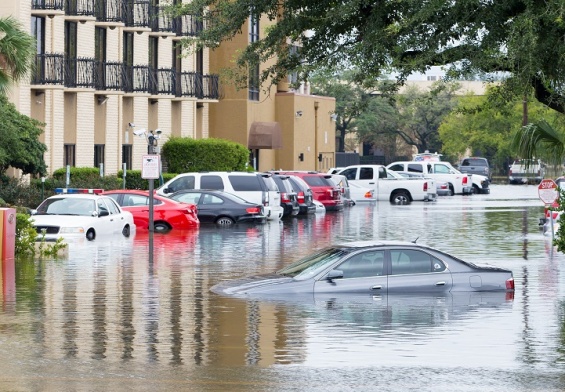
- Flooding
- Condensation
Fixing these issues may involve repairing leaks, improving airflow, sealing building materials, or using dehumidifiers.
No mold cleanup effort will take unless moisture is controlled first. Any mold specialist will tell you, they find and fix moisture problems first. Then, they clean up the visible (and invisible) mold.
Which Cleaners Actually Kill Mold on Surfaces?
With the moisture out of the picture, it’s time to get rid of the mold. Certain household cleaners you might have on hand, like vinegar or hydrogen peroxide, can work pretty well. Don’t use bleach, since it can’t penetrate porous surfaces, while the other two can.
Vinegar works by changing the pH level, turning the environment itself against the mold. Hydrogen peroxide acts as an oxidizer, breaking down mold at a cellular level. These cleaners are often more effective than bleach for mold removal.
It is important to follow safety guidelines and avoid mixing cleaning products. Even effective cleaners will only work when applied correctly and paired with moisture control.
What Pulls Mold Out of the Air in Your Home?
Mold spores are lightweight and easily become airborne. They can stay suspended in midair and settle somewhere else, even after removing the visible mold. Getting the spore out of the air requires filtration and moisture control.
Airborne mold spores are especially concerning for vulnerable populations, which is why mold prevention is often discussed alongside topics like how home care can protect seniors from mold-related illnesses.
How HEPA Air Filters Help Reduce Mold Spores Indoors
HEPA air filters are designed to capture very small particles, including mold spores. When used correctly, they can significantly reduce the number of airborne spores in a space.
HEPA filtration is especially useful during mold cleanup because disturbing mold growth can release more spores into the air. Air filtration helps stem the flow and improves indoor air quality.
But, HEPA filters don’t kill mold. They only remove spores from the air. Without addressing moisture and existing growth, filtration alone will not solve a mold problem.
How Dehumidifiers and Proper Ventilation Reduce Mold in the Air
Dehumidifiers and proper ventilation play a huge role in controlling mold. Lowering indoor humidity levels lowers moisture levels, which makes it harder for mold to grow and proliferate.
Bathrooms and kitchens benefit from exhaust fans, while basements and crawl spaces often require dehumidifiers. Moisture control is also why material choices matter in high-humidity areas, similar to the considerations discussed in choosing flooring for moisture-prone bathroom remodels.
This combination of air filtration and moisture control is often recommended by mold specialists as part of a long-term prevention strategy.
When DIY Mold Cleanup Is Not Enough for Homeowners
Small, isolated mold problems can sometimes be handled by homeowners. But, there are clear situations where DIY approaches fall short.
Recurring mold, large affected areas, mold inside walls or HVAC systems, and strong persistent odors are signs that the problem may be more complex. Health symptoms that worsen indoors can also indicate a more serious issue.
In these cases, continuing to clean without professional assessment may allow the problem to spread unnoticed.
When Homeowners Should Call a Mold Specialist
There are several situations where calling a mold specialist is the safest and most effective option.
Some common ones include:
- Post-water damage mold growth,
- Visible mold spreading across many areas
- Mold inside walls or ceilings
- Several failed cleanup attempts
Professional assessment can prevent unnecessary repairs and help ensure the problem is handled correctly the first time.
What a Mold Specialist Does That DIY Methods Can’t
A mold specialist takes a more comprehensive approach to mold problems. They focus on more than just visible growth. They look at moisture sources, building materials, and air quality.
Doing that requires inspections, testing (when appropriate), containment, and controlled removal methods. Their goal is to remove mold, and keep it from coming back.
By addressing both the cause and the effects, a mold specialist provides a more reliable solution than surface cleaning alone.
How Professional Mold Remediation Works
Professional mold remediation usually follows a structured process. This may include:
- Inspection
- Moisture source identification
- Containment of affected areas
- Removal of contaminated materials
- Cleaning surfaces
- Air quality control
The process is designed to protect both the building and the people inside it. While every situation is different, the emphasis is always on thoroughness and prevention.
Key Takeaways: How to Kill Mold Permanently
- Mold cannot be killed permanently without eliminating moisture
- Cleaning alone is rarely enough
- Vinegar and hydrogen peroxide are more effective than bleach
- HEPA filters and dehumidifiers reduce airborne spores
- Recurring or widespread mold often requires a mold specialist
So, What Kills Mold Permanently?
Mold can only be controlled permanently by addressing the conditions that allow it to grow. Eliminating moisture, removing existing mold properly, and improving air quality are all essential steps. When mold problems are persistent or widespread, working with an experienced mold specialist can help ensure the issue is resolved thoroughly rather than temporarily.