
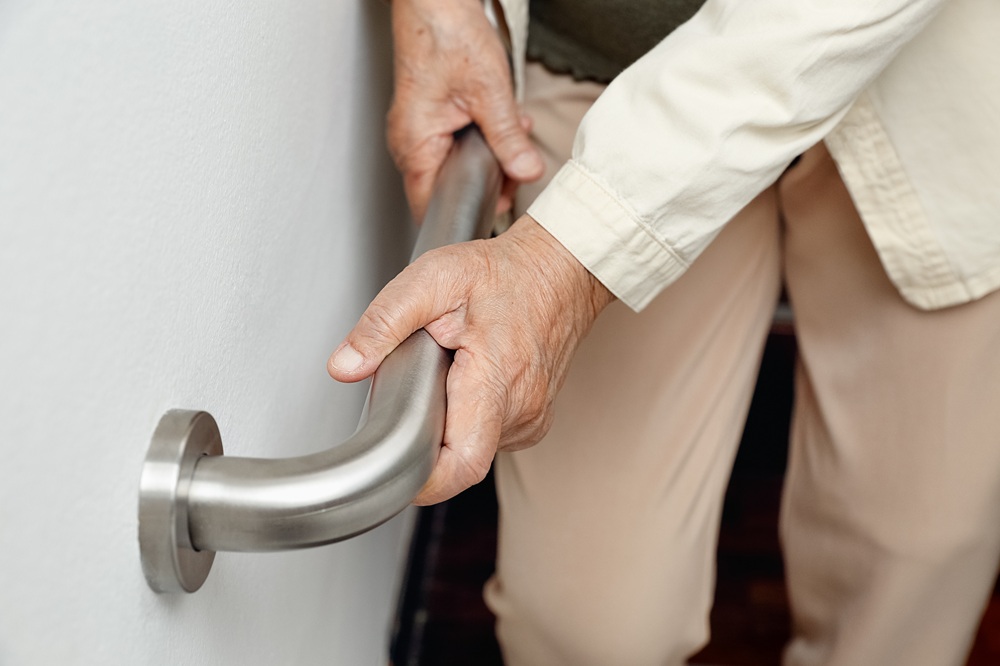
Knowing what to do after a fall at home can make a scary moment feel more manageable. Most families focus on comfort first. This makes sense, but the details recorded right after the fall can matter as much in the hours that follow. Clear notes can help during a doctor’s visit, making delayed symptoms easier to spot. This can guide the next decision if safety at home starts to feel less certain. If having family around isn’t enough, in-home support from a caregiver could also be a consideration.
What to Do After a Fall at Home: The First Few Minutes
The first few minutes after a fall can feel chaotic, so the best thing you can do is slow the moment down. When people panic, they miss the details. This can make an already stressful situation feel even worse for everyone involved.
Before you try to move your loved one, check for signs of immediate danger. This can mean bleeding, severe pain, or trouble breathing. Ask a few simple questions, where does it hurt? Did you hit your head? Can you move your arms and legs? Those answers give you a better sense of whether it is safe to wait, call a doctor, or get emergency help right away.
Just as important, do not rush to help them stand. A quick lift can make a hidden injury worse, especially if the fall involves the head, hip, or back. If they seem disoriented, weak, or unable to move without sharp pain, call 911.
When there is no urgent danger, stay close and keep your voice calm. That gives you a chance to watch for confusion while also helping your loved one settle down.
What to Write Down After a Fall at Home
Once things are calm, start writing things down. It’s easy to skip this part because of the focus on the moment, but a few notes can make everything clearer later.
Begin with the basics:
- when the fall happened
- where it happened
- what your loved one was doing right before it
A few simple notes now can save a lot of guesswork later.
Then write down what may have caused the fall. Maybe there was a loose rug, a wet floor, or a missed step. In some cases, dizziness or weakness may have played a role. Stay with facts you can actually observe or confirm.
After that, note any visible injuries or changes in movement. Write down bruising, swelling, bleeding, or trouble standing. Include where the pain is and whether your loved one says it feels sharp, dull, or worse with movement.
It helps to record anything unusual that happened before or after the fall. Some examples include confusion, weakness, or slurred speech. Keep the list short and specific. Two or three details matter more than a long set of guesses.
Finally, take photos if possible. A picture of the floor area, the lighting, or a visible injury can help later. If a fall seems tied to a broader pattern of safety concerns, families often start looking at senior care options to quell their anxieties.
What to Watch for After a Fall at Home
A fall does not always end once the person is back in bed or resting in a chair. Some problems take time to show up, which is why the next day or two matters so much.
Pay attention to pain that gets worse instead of better. Soreness is common after a fall. However, rising pain, swelling, or new trouble walking can point to a more serious injury. Watch how your loved one moves from bed to chair, chair to bathroom, or room to room.
You should also keep an eye out for delayed signs of a head injury. This includes headaches, unusual sleepiness, vomiting, or a sudden change in balance.
Changes in behavior can also matter. Some older adults grow quiet after a fall. Others become fearful about walking, using the stairs, or getting up alone. That shift can tell you a lot, even if the physical injury seems mild.
When to Call the Doctor After a Fall at Home
Not every fall leads to an ambulance, but that does not mean you should ignore follow-up care. Even without obvious injuries, a fall can still be worth a call to the doctor.
Older adults do not always feel pain right away. Some downplay what happened because they do not want to worry anyone. People do not connect dizziness, weakness, or medication side effects to the fall itself.
Repeated falls are another clear reason to act. One fall may feel random, but two or three falls in a short time usually point to a bigger issue. That issue might involve:
- balance problems
- vision changes
- medication side effects
- a loss of strength
Bring your notes to the appointment. A doctor can do much more with a clear timeline than with a vague memory. If you wrote down when the fall happened, what symptoms followed, and what changed afterward, the visit starts on much stronger ground.
When Good Notes Matter Beyond Medical Care
There are times when your notes matter for more than medical follow-up. If the fall involves unsafe conditions, poor supervision, or a serious injury, detailed records become important.
Write down what the area looked like at the time. This includes whether the floor was wet, the lighting was poor, or a handrail was missing or broken. Those facts matter because they show conditions as they were, not as people later remember them.
If an involved caregiver, aide, or a facility member is present, keep your notes simple and factual. Record who was present, who said what, and what happened next. Avoid adding conclusions that you cannot support.
Photos, witness names, and a clear timeline can help if questions come up later about negligence or unsafe conditions. In some cases, families decide to speak with a personal injury and elder injury law firm after a serious fall. This process can be easier when early documentation makes those concerns easier to evaluate.
How to Lower the Risk of Another Fall
Once immediate worry settles, most families ask the same question. How do we keep this from happening again?
Start with the home itself. Look for clutter, poor lighting, and slippery surfaces. Focus on the places your loved one uses every day, especially the bedroom, bathroom, and hallway. Small hazards often cause bigger problems than people realize.
Then review footwear, medications, and mobility aids. Shoes that slip, medications that cause dizziness, or a walker that no longer fits well can all raise the risk of another fall. Keep the conversation practical. No one needs blame in that moment. What matters is figuring out the next fix.
At some point, the bigger issue may be support. Families often disagree about what level of help is needed, and those talks can become emotional fast. When safety decisions start creating tension at home, it may be time to consider family counseling. This can help those conversations move forward in a healthier way.
A single fall does not always mean a loved one has to leave home. It should prompt an honest look at routines, supervision, and what it takes for seniors to stay home longer.
Questions Families Ask After a Fall at Home
Should I call a doctor after every fall?
Not every fall requires emergency care, but every fall deserves attention. If there is pain, confusion, or a change in movement, call the doctor.
What should I write down after a fall at home?
Write down the time, place, likely cause, visible injuries, and any symptoms that showed up before or after the fall. Photos can help, too.
Can symptoms appear hours later?
Yes. Pain, swelling, headache, confusion, and trouble walking may become clearer later that day or the next day.
When does a fall mean someone may need more help at home?
Many consecutive falls can call for concern. The growing fear, or clear signs that daily routines are no longer safe without support, is when someone may need more help at home.
Final Thoughts
Knowing what to do after a fall at home is more than reacting in the moment. It means staying calm, checking for injuries, and writing down the right details. It’s important to closely watch for changes over the next day or two. Good notes make medical follow-up easier and help families make clearer decisions. Just as important, one fall can be the signal that it is time to rethink safety at home before a second one happens.