
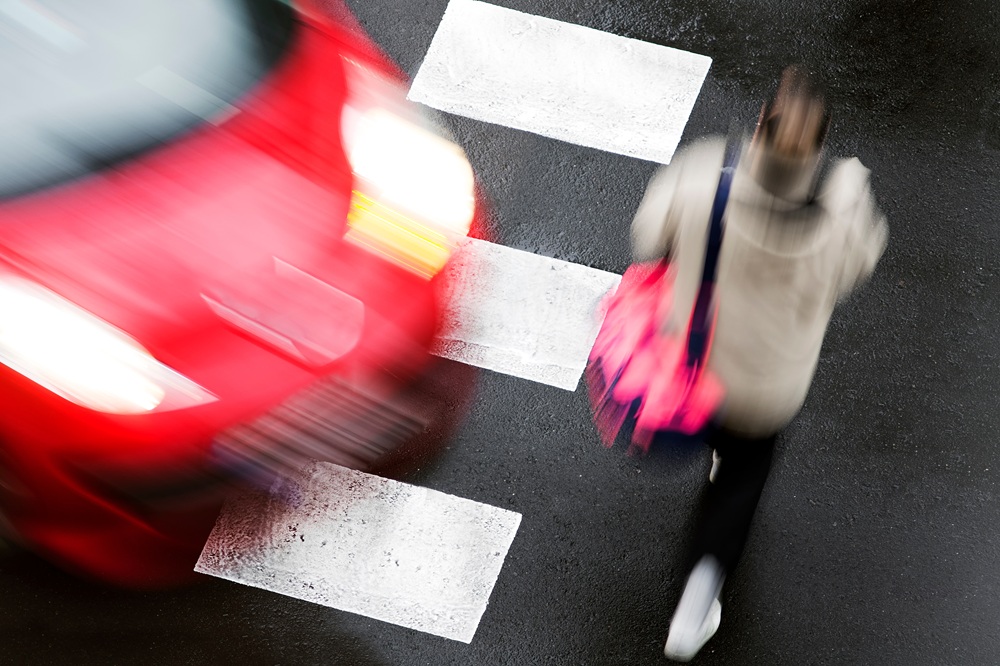
Pedestrian deaths in New Jersey and across the country have become a serious legal issue. If someone in your family was struck by a car, filing a pedestrian accident lawsuit may be the right step. The decisions made in the first 24 to 48 hours after the crash affect what a claim is worth. Pedestrian deaths have climbed 21% since 2016, according to NHTSA crash data. Consulting a personal injury attorney early costs you nothing.
Pedestrian Deaths Are Climbing and the Law Is Taking Notice
Pedestrian fatalities reached 7,251 in 2024, up from roughly 5,997 in 2016. More than 75% of those deaths happened after dark. About 40% occurred on roads without streetlights. SUVs and pickup trucks account for a growing share of fatal crashes. Their hood height and front-end geometry increase injury severity even at lower vehicle speeds.
Distracted driving is part of the picture too. It is routinely underreported in crash data because proving it at the scene requires subpoenaed records. Juries have responded differently than insurers expected. Courts are less willing to accept low offers when phone data or dashcam footage documents a distracted driver. In New Jersey, claims tied to distracted driving accident lawsuits that once settled quietly now go further when evidence is locked down from the start.
What Makes a Pedestrian Accident Lawsuit Different from a Car Crash Claim
New Jersey is a no-fault state for drivers. They typically file first with their own Personal Injury Protection coverage before pursuing anyone else. Pedestrians do not carry PIP in their own name. A pedestrian accident lawsuit is built on a different legal framework than a driver claim because PIP does not apply the same way on foot. Drivers who carry PIP and pedestrians who get hit by them operate under separate rules that most crash victims never learn until they are already talking to the other driver’s insurer.
Pedestrians with documented injuries can file directly against the at-fault driver’s liability coverage. They do not need to exhaust a PIP policy first. Pain and suffering, future medical costs, and lost income are all recoverable in ways the no-fault system limits for drivers.
New Jersey’s modified comparative negligence law applies throughout. If a jury finds you 20% at fault, your recovery drops by 20%. At 51% or more, you recover nothing. Insurance adjusters use this from the first phone call. Expect early arguments about the crosswalk, your clothing, your phone at the moment of impact.
NJ’s No-Fault System and When You Can Step Outside It
The verbal threshold limits which drivers can sue for pain and suffering after a car accident. For pedestrians, that threshold works differently. Access to pain-and-suffering damages is broader than most crash victims realize until they are in the process.
When the at-fault driver’s liability coverage falls short, the victim’s own uninsured or underinsured motorist coverage may apply. This holds even if the victim was on foot. Under N.J.S.A. 39:6A, UM/UIM coverage follows the insured person rather than the vehicle. In pedestrian cases where the striking driver carries minimum limits, that coverage can be the difference between a partial recovery and a full one. This layer rarely surfaces until a claim is in progress. By then, someone has usually made a recorded statement they cannot take back.
The Evidence That Wins a Pedestrian Accident Lawsuit and How Fast It Disappears
Dashcam footage from nearby vehicles overwrites in days. Business surveillance systems keep footage for 24 to 72 hours before cycling out. Cell carriers have their own retention windows. Without a legal hold letter, phone data showing a driver on an app at impact is gone before anyone requests it.
A lawyer who gets involved the day of or the day after a crash can send hold letters to carriers, businesses, and insurers. The New Jersey pedestrian accident results that produce the highest recoveries are built on evidence locked down in that first window, not reconstructed from memory weeks later.
Phone Records, Black Boxes, and Dashcam Footage
Cell carrier subpoenas show whether a driver was on a call or using an app at the exact moment of impact. Most modern vehicles record event data in the seconds before a collision: speed, braking force, steering input. Rideshare vehicles add another layer. Uber and Lyft GPS logs are granular and subpoenable. The driver’s own employer data becomes credible evidence when distraction is disputed.
When that documentation exists, the pedestrian accident lawsuit no longer rests on conflicting accounts. The insurer sees a concrete exposure number. That changes what they are willing to settle for and when.
Types of Injuries That Qualify for Larger Claims
A person struck by a car has no frame, airbag, or door absorbing the impact. Injuries run severe even at speeds that cause minimal damage in vehicle-on-vehicle crashes. Traumatic brain injury, spinal cord damage, fractures requiring surgery, and internal injuries are common. The medical record built in the weeks after the crash carries as much weight as the crash report itself.
The value of a pedestrian accident lawsuit depends heavily on injury documentation. Minor injuries with clean recovery timelines settle in a lower range. TBI and spinal injuries with lasting functional consequences land in a different category. When those changes are permanent, a catastrophic injury claim covers future medical costs, lost earning capacity, and long-term care needs alongside what has already been billed.
Consistent medical follow-through is part of building that record. A break in treatment hands the other side an argument that the injury was not serious or resolved on its own.
When a Pedestrian Accident Becomes a Wrongful Death Case
A pedestrian accident lawsuit for wrongful death in New Jersey puts the legal claim in the family’s hands. The spouse, children, or parents of a minor victim can file a wrongful death claim. Recoverable damages include funeral costs, medical bills incurred before death, lost household income, and loss of companionship.
The statute of limitations for wrongful death in NJ is two years from the date of death. It is not two years from the accident date. When a victim survives days or weeks before dying, that distinction changes when the clock starts. A family managing a funeral and hospital bills is not tracking filing deadlines. Missing one ends the family’s legal options entirely.
What to Do in the First 48 Hours After Being Hit
Get medical care first. A visit to the emergency room documents the injury before insurers can argue it came from something unrelated. Document even minor-feeling injuries. The date-stamped emergency record is one of the first things an insurer pulls when evaluating a claim.
Call police and get the report number. Do not rely on the driver to file anything. Collect the driver’s license, insurance card, and plate number. Photograph the scene, the vehicle, your injuries, and the surrounding area. Get witness contact information before people leave.
Keep the accident off social media while any claim is open. Photos showing physical activity or normal daily routines come up in discovery. Attorneys use them to challenge claimed limitations.
Speak to a personal injury attorney before giving any statement to the other driver’s insurance company. The insurer uses that first recorded statement as the foundation for the rest of the case.
Frequently Asked Questions
Can a pedestrian file a lawsuit even if they were partially at fault?
In New Jersey, a pedestrian accident lawsuit allows recovery even when the victim bears partial fault. Modified comparative negligence permits recovery when fault is 50% or below. A victim assigned 25% fault on a $100,000 claim recovers $75,000.
How long does a pedestrian accident lawsuit take to settle?
Cases with clear liability and well-documented injuries resolve within 12 to 24 months in many instances. A pedestrian accident lawsuit involving contested liability or an unresponsive insurer takes longer. Wrongful death cases take longer still because calculating the full damages requires time.
What if the driver who hit me had no insurance?
If you carry a New Jersey auto policy with uninsured motorist coverage, that coverage can apply to pedestrian injuries under N.J.S.A. 39:6A-14. Without a vehicle policy, a lawsuit against the driver personally is possible. Recovery depends on what assets they hold. An attorney can run that assessment before you decide how to proceed.
Does having an attorney change the outcome?
Injury victims who negotiate without counsel accept early offers at higher rates. Those offers do not account for future medical costs, pain and suffering, or lost earning capacity. The insurer’s first offer closes the file. It does not reflect what the claim is worth.
What is the statute of limitations for filing a pedestrian injury claim in NJ?
Two years from the accident date. For wrongful death, two years from the date of death. Courts do not grant extensions. A case filed one day late is dismissed.
Before You File a Pedestrian Accident Lawsuit, Know Where You Stand
The two-year window sounds long. It is not. The first several months go to medical treatment, insurance calls, and sorting out what happened. Adjusters open files and build the other side of the case while the injured person is still in treatment. Evidence disappears in the background.
A pedestrian accident lawsuit in New Jersey starts with a free consultation with a personal injury attorney. That conversation establishes what coverage applies, whether the claim has value, and what evidence still needs to be preserved.
Sources:
- National Highway Traffic Safety Administration, Pedestrian Safety Data
- Richman Law, Pedestrian Accident Statistics 2026
- New Jersey Statutes, N.J.S.A. 39:6A-14, Uninsured Motorist Coverage
- New Jersey Comparative Negligence Act, N.J.S.A. 2A:15-5.1