
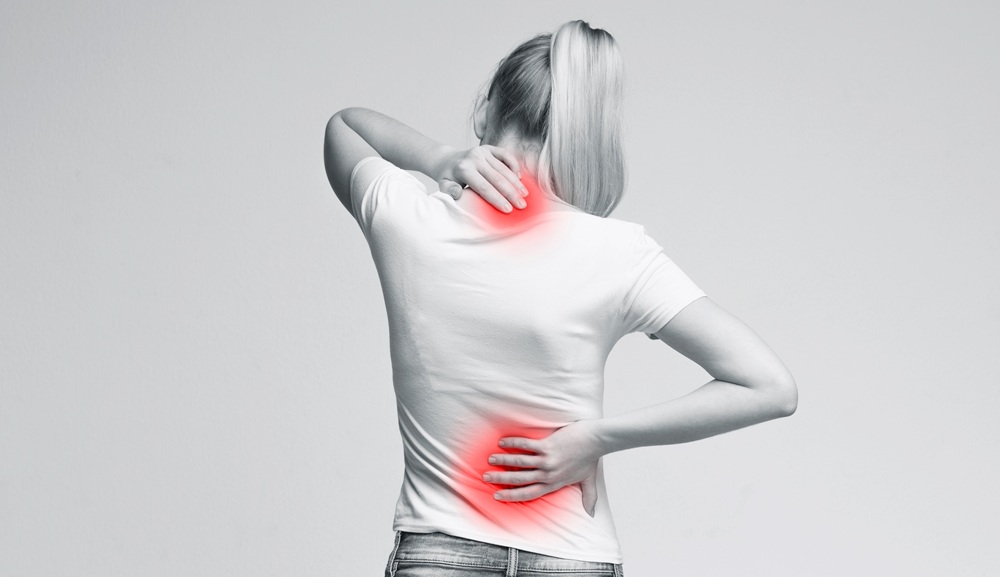
Six weeks of back pain can make a normal workday exhausting. Getting out of a car hurts. Even a short shopping trip can leave someone in need of a chair. A lumbar support belt might seem like a practical purchase, especially when it promises relief during movement.
Two reports from 2026 give patients more to weigh before buying one. A trial found measurable benefits from a flexible belt over 12 weeks. A review found too little proof of relief for those who have had back pain for years.
What a 2026 Trial Found About Wearing a Lumbar Support Belt
The trial enrolled 168 adults with nonspecific back pain lasting one to six months. Nonspecific means no clear disease or injury had been found to explain the pain. All patients got usual care. About half wore a soft belt as well.
Pain that lasts for weeks calls for a checkup before trying a brace. Several causes can produce the same pain, and back pain treatment depends on what the examination finds. Researchers excluded people with lumbar radicular syndrome, which can cause pain to travel down a leg.
In August 2026, JAMA Network Open published a trial that asked belt users to wear the brace for four to eight daytime hours. Both groups could take their usual pain drugs and keep moving. The team tracked pain and daily tasks for 12 weeks.
How Much the Trial Participants Improved
On average, disability scores fell by 10 points among belt users and by 5.3 points with usual care. Clinicians used the Oswestry Disability Index to rate limits on tasks such as walking and sitting. Lower scores mean fewer limits. Groups differed by 4.7 points.
To plan the study size, researchers used a 10-point difference. Their actual result was smaller. Still, 60.5% of belt users saw their scores improve by at least 30%. In the other group, 40.5% reached that mark.
Belt users also felt less pain at rest and while moving. Those pain findings were secondary results, so they need cautious review. People knew whether they wore a belt because the trial was open. Knowing they wore a belt may have affected their pain scores.
Why the September Review Reached a More Cautious Conclusion
Back pain that persists for years creates a harder question. In September 2026, Cochrane reviewed eight trials with 501 adults who had long-term lower back pain. Some participants had experienced symptoms for one to five years.
Braces used alone showed little or no clear benefit for pain or daily tasks. A brace used with pain drugs may have eased pain a little for a few weeks. With very uncertain evidence, the reviewers did not back routine brace use for chronic pain.
These publications examined different groups and treatment settings. A person with three months of nonspecific pain is not interchangeable with someone who has struggled for three years. Cochrane searched studies through January 2025. JAMA published the newer trial later.
What the Two Studies Cannot Tell Patients
Neither study proves a brace can prevent the next pain flare. Neither report settled how long to wear a belt after early relief. Nor has it shown whether long-term wear weakens healthy back muscles.
Cochrane found few reports of side effects. In the JAMA trial, six belt users had mild problems such as a sore patch of skin. Doctors did not link any serious harm to the belt in that trial.
Choosing a Lumbar Support Belt or a Rigid Brace
A lumbar support belt wraps around the waist and tightens with straps. Soft models let the wearer bend and move. Doctors may use stiff braces to limit motion after some injuries or surgery.
JAMA researchers tested a soft belt with straps. That result says little about the wide range of braces sold online. After a fracture or spine surgery, the doctor’s rules for wear time, sleep, and exercise take priority.
When a Lumbar Support Belt May Be Considered
A soft belt might help for a short time after a doctor checks the cause of the pain. For 12 weeks, the trial tested daytime wear along with usual care. It does not establish an ideal schedule for every diagnosis.
A person can start by picking one hard task, such as leaving the car. For several days, they can track pain and how long the task takes with the belt. New pain, a rash, or trouble moving calls for a break and a call to the doctor.
A Brace Should Leave Room for Movement
It can feel safer to stop bending or walking when the back hurts. But too much rest can make daily tasks harder to resume. JAMA trial patients were told to stay active as they followed their care plans.
Exercise can help people work back toward tasks they have stopped doing. During physical therapy for back pain, a therapist can adjust movements to a person’s symptoms and abilities. A temporary belt may fit alongside that work, provided it does not replace the exercises.
Some patients notice soreness after sitting for hours. Others find that walking brings on leg symptoms. Those differences affect the evaluation and treatment plan, so copying someone else’s brace schedule may lead to disappointing results.
When a Back Pain Appointment Is the Better Next Step
Pain that disrupts sleep or work for weeks is a reason to see a doctor. During a visit, the doctor can ask where the pain began, if it runs down a leg, and when it grows worse. An exam may test leg strength, feeling, and range of motion.
In Elizabeth, New Jersey, patients can seek an evaluation from a pain medicine physician when symptoms continue or repeatedly return. The doctor may discuss a brace during that visit, along with exercise and other care based on the findings.
After an exam, pain management options may include exercise, medication, or other care aimed at the cause. The treatment plan should account for the person’s symptoms and activity limits.
Loss of bladder or bowel control, numbness near the groin, or fast-growing leg weakness needs emergency care. Waiting to see whether a belt works can delay care for a spinal nerve emergency.
What to Ask Before Buying a Lumbar Support Belt
A productive appointment can begin with three questions. What is the likely cause of the pain? Which activity would the belt help with? How will the patient and clinician decide when to stop using it?
Someone who has already tried a brace can bring the device or a photo of its packaging. A record of wear time, pain during activity, and any discomfort gives the clinician more than a general report that the brace did or did not work.
Questions About a Lumbar Support Belt
How long can someone wear a brace each day?
There is no schedule that suits every diagnosis. In the JAMA trial, the team asked patients to wear a flexible belt for four to eight daytime hours. A patient can ask the prescribing clinician for a daily wear plan and a date to review whether the belt still helps.
Should a lumbar belt stay on during sleep?
Trial participants took off the belt before sleeping, as the study team had directed. Anyone using a brace for a fracture or after an operation should follow their own medical instructions. Before bedtime, check the written directions supplied with the prescribed device.
Will wearing a brace weaken back muscles?
Current studies have not settled that question for every device or wear schedule. Someone worried about losing strength can ask for an exercise plan that fits their diagnosis. Continued movement and regular reassessment are more informative than relying on the brace alone.
How to Judge Whether the Belt Is Helping
After trying a belt, the clearest test is whether daily tasks have become easier. A patient might record how far they can walk, how long they can stand to cook, or whether getting out of a car hurts less. If the belt causes irritation, limits movement, or fails to improve daily function, that record gives the clinician a reason to reconsider it.
For now, the 2026 evidence supports a cautious trial in some adults with nonspecific back pain lasting one to six months. Research has not established routine benefit for people with longstanding chronic pain. A decision about continued use should follow the person’s symptoms, activity record, and medical assessment.
Sources
JAMA Network Open (2026), Lumbar Belt for Nonspecific Low Back Pain: A Randomized Clinical Trial
Cochrane (2026), Assistive Technologies for Treating Chronic Low Back Pain