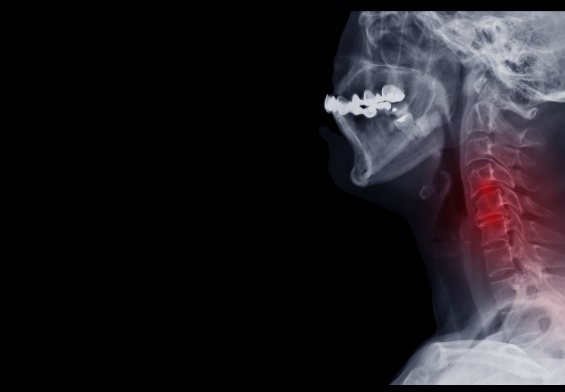

Spine fusion usually comes after months or years of pain, so the thought of a second operation is hard to face. A fusion is meant to end with two or more vertebrae healing into one solid piece of bone. When the bone never knits together, or the screws in it work loose, back pain can return. One cause of spinal fusion failure sits in the bone itself. As many as half of the people headed for fusion surgery have thin or weak bones, and most do not know it at their first visit.
Spine surgeons are starting to treat a bone check as a routine step before fusion, much like a blood test. That step can add a few months before the operation, and those months may lower the chance of going back for a second one.
What Spinal Fusion Failure Looks Like
A fusion can fail in a few different ways. The bones may never join, which surgeons call pseudarthrosis. Screws can loosen or pull out of soft bone. A spacer placed between vertebrae can also sink into the bone around it. In longer fusions, a vertebra just above the hardware can crack or collapse.
Signs can include pain that eases after surgery and then creeps back months later, or a new ache near the top of the fusion. An X-ray may show a loose screw before the person feels much change. A surgeon may then recommend revision spine surgery to replace loose hardware or add bone graft. A repeat operation on the same spot is usually harder than the first.
Health habits feed into spinal fusion failure as well. Smoking, poorly controlled diabetes, and long-term steroid use can all slow the healing a fusion depends on. Surgeons try to lower as many of these risks as they can before the operation.
How Weak Bone Sets Up Spinal Fusion Failure
Screws and spacers only work if the bone around them is firm enough to grip. Bone with osteoporosis is thinner and more porous, so a screw has less to bite into. Every step, bend, and lift then puts load on that thin grip while the fusion is still healing.
Weak bone shows up in a large share of fusion patients. In a Summer 2026 article in the journal Vertebral Columns, spine surgeons at Hospital for Special Surgery reported that one-third to one-half of patients facing instrumented spine surgery meet the criteria for osteoporosis or its milder form, osteopenia. Weak bone also drives the complications that most commonly send fusion patients back for another operation.
Osteoporosis has no symptoms until a bone breaks. In the spine, that break is a compression fracture. Doctors may treat it with kyphoplasty, a procedure that fills the collapsed vertebra with bone cement. A fracture like that also puts a person on the list for a bone check before any fusion.
Who Should Get a Bone Check Before Surgery
Age is the first filter. Guidance cited by the HSS authors calls for bone screening in women 65 and older and men 70 and older. Younger adults with risk factors belong on the list too. The list includes anyone who has broken a bone in a minor fall, taken steroid pills for a long stretch, or lost height.
Surgery candidates may need a lower cutoff. In a 2025 consensus published in the International Journal of Spine Surgery, a panel of spine surgeons agreed that everyone 60 or older should have bone health checked before an instrumented spine operation. For people 50 to 59, testing is optional and depends on the surgeon’s judgment.
The Tests That Measure Bone Before an Operation
A DEXA scan is the standard bone density test, and it takes only a few minutes on an open table. In the lower back, though, arthritis and bone spurs can make a DEXA result look healthier than the bone is.
Surgeons can also read bone strength from scans a patient may already have. A radiologist can measure a CT scan in Hounsfield units. Readings at or below about 110 to 120 point toward osteoporosis. An MRI can produce a vertebral bone quality score, and scores of about 3.0 to 3.5 or higher point to higher risk.
The consensus panel also backed a fracture risk score called FRAX. This score combines age, weight, smoking, past fractures, and family history into a 10-year estimate. A person can ask the surgeon’s office to run FRAX at the first visit.
Building Bone Before Surgery to Lower Spinal Fusion Failure Risk
Treatment is the step a patient can act on. Some drugs build new bone, including teriparatide, abaloparatide, and romosozumab. According to the HSS authors, surgeons prefer these before a fusion, and teriparatide has the longest track record in fusion patients. Other drugs, such as bisphosphonates and denosumab, slow bone loss without adding much new bone.
Bone drugs need time to work. Most protocols call for at least two to three months of treatment before surgery. Some favor three to six months when the timing allows. For someone in steady pain, a three-month wait is hard, so pain care in the meantime belongs in the plan.
Severe bone loss can push the date back further. The 2025 consensus panel said surgeons should consider delaying the operation by at least three months in those cases. Some people still need spine fusion surgery sooner, such as when a nerve is badly pinched. Bone treatment then usually continues after the operation.
One of the harder parts can be the handoff between offices. The HSS authors wrote that informal referrals can leave patients without follow-up. Programs that add a bone screening step to new-patient visits and a direct path to a bone clinic got more people treated. Some single-center data also suggests those clinics may reduce hardware failures and repeat surgery.
Bone health is also one reason some surgeons now try to avoid fusion when a smaller procedure can do the job. A person with weak bones can ask whether a non-fusion option fits their spine.
Common Questions About Spinal Fusion Failure and Bone Health
Can someone with osteoporosis still have spinal fusion?
Yes, in many cases. Weak bone raises the risk of loose hardware, so the surgeon may treat the bone first. Other options include extra screws, bone cement, or a shorter fusion. A person can ask which of those steps fits their case.
Can bone loss be reversed in time for surgery?
Partly. Bone-building drugs can raise density within months, which is one reason surgeons ask for a few months of treatment first. Calcium, vitamin D, and weight-bearing exercise help too, though they work slowly on their own.
What should someone ask at the first surgical visit?
Three questions cover most of the ground. Is a bone density test needed? Can the surgeon check existing CT or MRI scans for bone strength? Who will handle bone treatment if the results come back low?
What to Bring Up Before Scheduling a Fusion
For anyone 60 or older, or anyone with a past fracture or long steroid use, a bone check is a reasonable request. A few months of bone treatment may add time before surgery. That treatment may also lower the odds of spinal fusion failure and a return trip to the operating room. The first step is asking the surgeon whether a bone test, or a review of scans already on file, belongs in the plan.
Sources
Becker’s Spine Review. The bone problem spine surgeons may be missing.
International Journal of Spine Surgery. Thai Expert Consensus on Bone Health Optimization for Instrumented Spine Surgery.