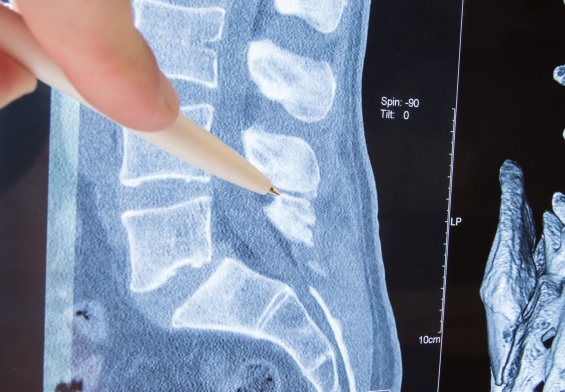
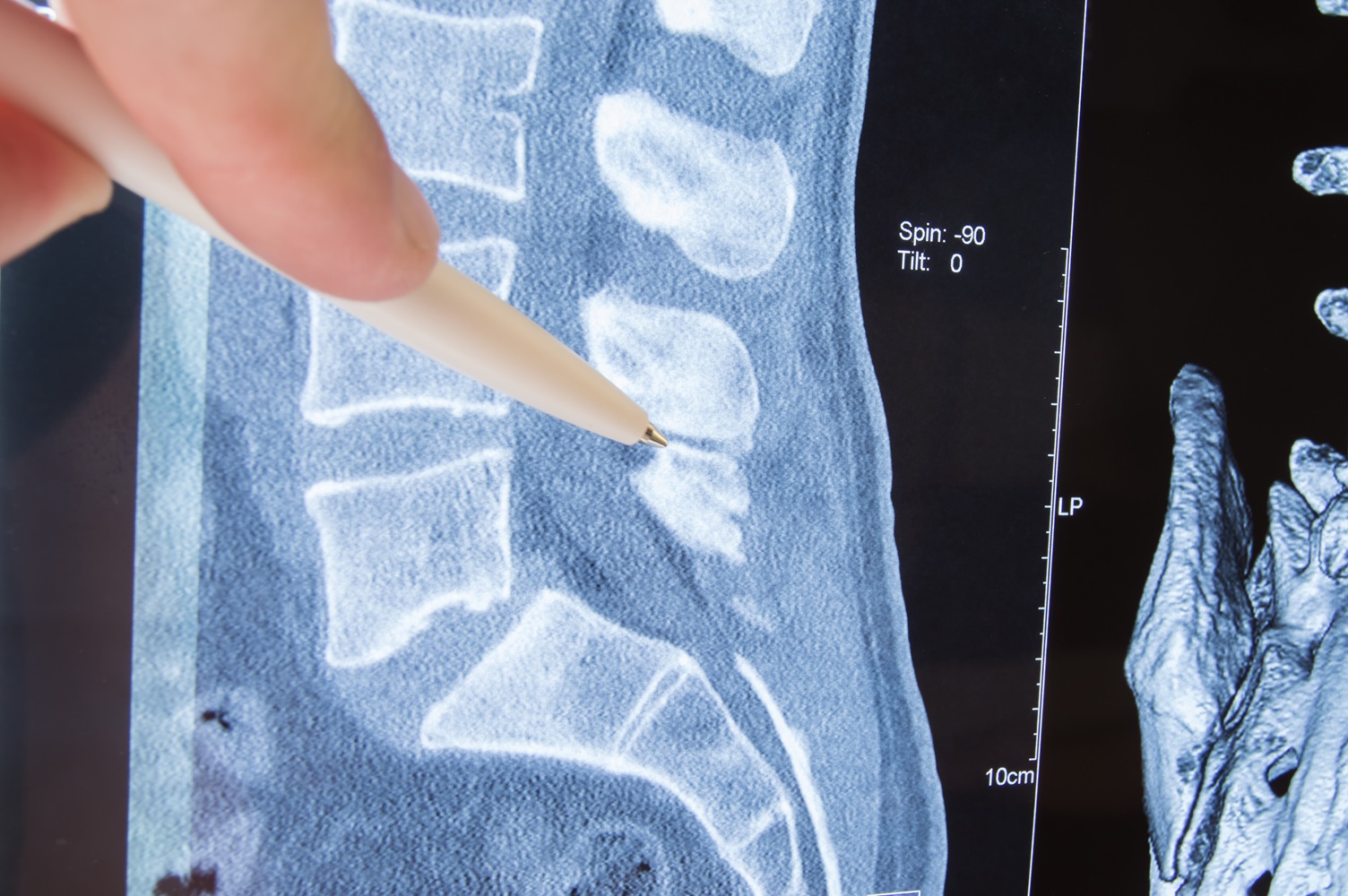
For years, the standard path looked about the same once conservative care stopped helping. A surgeon recommended fusion. That treated level lost motion for good in exchange for stability. The trade felt fair when the only option seemed like more pain. Surgeons are reconsidering that trade now for a clear reason.
Losing motion at one level can change how the levels above and below it wear over time. That rethinking is not confined to research journals. Surgeons across the country are describing it in their own practices, in their own words. Anyone told to get fusion now has a fair follow-up question. Is there a less permanent option that still fits this problem? Endoscopic spine surgery is the option most raised when that question comes up.
What Endoscopic Spine Surgery Is Replacing, and Why
A standard fusion cage is a small device placed where a damaged disc used to be. It comes in a handful of set heights and widths, and a surgeon picks whichever size fits best once the disc is removed. Screws or a plate typically go in afterward to keep everything in place while the bone grows solid. None of that is built with motion in mind, since keeping that level still is the entire point.
One technique driving that rethinking is endoscopic discectomy. A surgeon removes the damaged part of a disc through a tube barely wider than a pen. A small camera guides the whole procedure. Disc, facet joints, and surrounding ligaments all stay mostly intact.
The Case Surgeons Are Making Against Default Fusion
Becker’s Spine Review recently interviewed spine surgeons about this change. One of them, Dr. Perfetti, described his approach this way: “Whenever possible, I prefer to preserve motion before deciding to eliminate it.” Becker’s Spine Review found this view widely shared among the surgeons interviewed. It reflects a broader move: picking the procedure that fits the patient instead of defaulting to one answer for most cases.
How Endoscopic Spine Surgery Preserves Motion
Mechanically, the outcome differs from fusion for a clear reason. A traditional open approach usually means moving muscle aside and removing bone. Surgeons sometimes place hardware afterward to stabilize the spine. An endoscopic approach skips most of that, and the incision stays small enough that surrounding structures barely notice it happened.
Endoscopic procedures sit at the far end of the range covered by minimally invasive spine surgery. There is no muscle stripping and no bone removal. Nothing gets left behind afterward either. The treated level keeps doing the job it was already doing, instead of passing that job to its neighbors.
For a patient, that difference shows up in recovery, not just in an operating room report. A fusion patient typically wears a brace and limits lifting for months. Follow-up imaging then confirms whether the bone has joined. A patient who had endoscopic spine surgery for a comparable problem usually resumes light activity within days. There is no fusion to protect while it heals.
Fusion Still Has a Clear Job, Just a Smaller One
None of this makes fusion outdated. Some anatomy needs that level stabilized, not preserved. Instability, certain fractures, and unusual deformities still point toward fusion as the right call. A closer look at what cervical spinal fusion involves helps explain why. Surgeons still reach for it when the case calls for it.
Why This Change Is Happening Now
Something has changed inside many practices, and it is not just the technique. Scott Blumenthal, MD, of the Texas Back Institute, spoke with Becker’s Spine Review about the change. Motion preservation is becoming the first question surgeons ask. It is no longer treated as a backup plan for select cases. In some practices, an option once reserved for a narrow group of ideal patients has become the starting point instead.
Fusion still gets recommended once instability or posterior compression rules out other options. But that decision now comes after asking whether motion can be preserved, not before. Becker’s Spine Review pointed to another factor behind the change too. Minimally invasive spine surgery has been linked to reduced opioid use after surgery. Endoscopic procedures showed the lowest average use of all the techniques studied.
Faster recovery plays a role as well. Smaller incisions usually mean less blood loss and shorter surgery time. Some patients go home the same day. None of that alone would justify the change. Combined with improving long-term data, though, it adds up. More surgeons now try motion preservation first and save fusion for when the spine truly demands it.
Cost is a fair question, and the answer runs in both directions. An endoscopic procedure itself can cost less than a fusion that involves hardware. But insurance coverage for newer techniques still varies by plan and by region. A patient comparing the two should ask about total cost, not just the surgical fee. The newer option is not always the cheaper one.
The Learning Curve Is the Real Bottleneck
If endoscopic technique works this well, a fair question follows. Why isn’t every spine surgeon already doing it? Learning it well takes years. Even surgeons who trained decades ago find the instruments unfamiliar.
Fewer surgeons lack that training now, since more fellowships teach it. Where a surgeon trained still influences which option gets offered first, sometimes more than the patient’s own anatomy does. Patients can ask directly whether a surgeon completed fellowship training in endoscopic technique. General spine training does not always include it.
Common Questions About Endoscopic Spine Surgery
Is endoscopic spine surgery right for everyone?
No. It works best for disc herniations, certain cases of nerve compression, and some early degenerative changes. These are the same categories most endoscopic-trained surgeons screen for first.
Whether a patient qualifies comes down to imaging findings, not preference on either side. A surgeon reviewing that imaging is the only clear way to know which type applies. Endoscopic spine surgery is not marketed as a universal replacement for fusion, and no responsible surgeon presents it that way.
Does it work as well as fusion long-term?
Long-term data is still catching up to the technique’s popularity. Shorter-term outcomes for pain relief and recovery time look strong across multiple studies. What is less settled is how outcomes compare at the ten and fifteen year mark. The procedure has not been in wide use that long yet. Anyone considering it is choosing a well-supported but still-maturing track record over fusion’s much longer one.
What to Ask a Spine Surgeon About Avoiding Fusion
Anyone told that fusion is the next step has a fair question worth bringing back to that same visit. Ask directly whether a motion-preserving or endoscopic option was considered for this case, and if not, why not. A good answer points to something concrete in the imaging. That might be instability or a fracture pattern, not just a general preference for one approach.
That single question turns advice into a decision the patient helped make. It also gives a surgeon room to explain the reasoning out loud instead of leaving it unstated. If the answer stays vague even after asking twice, a second opinion is a fair next step. Getting one is due diligence before agreeing to something permanent, not an insult to the first surgeon. Either way, the case should be doing the deciding, not habit.
Sources
Becker’s Spine Review, Why a Growing Number of Spine Surgeons Are Rethinking Fusion