
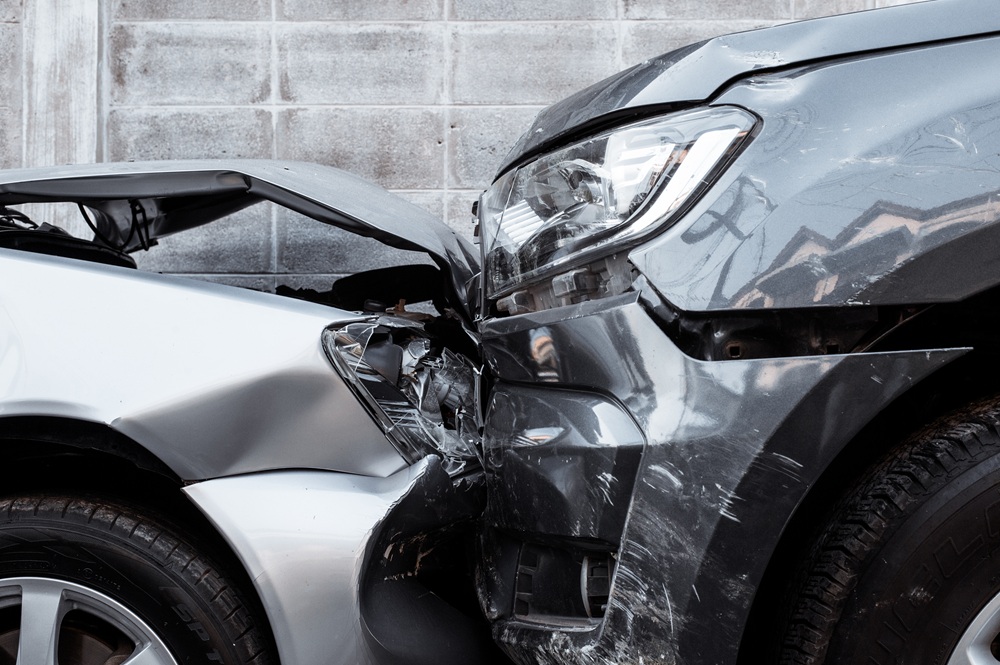
A car strike can leave a rider hurt with a damaged scooter. Insurance calls can start the same day. The rider may hear from an insurer before seeing the police report.
By then, a driver may have already given a statement. After an electric scooter accident in New Jersey, fault can depend on each person’s movement. PIP can follow separate rules because New Jersey has a low-speed scooter category.
A left-turn crash may leave the car in an intersection and scooter near a curb. Fresh damage and lane position may tell a different story from the first statements. Camera footage can show the seconds before impact.
A driver can be at fault when unsafe driving causes a scooter collision. Lawyers reviewing car accident claims may compare road position, video, and damage. A rider’s conduct may also become part of the fault analysis. Low-speed scooter rules can also change the PIP question in New Jersey.
Electric Scooter Accident Fault Depends on the Seconds Before Impact
One early question is where the car and scooter were seconds before contact. Lawyers may compare the police report with damage, traffic controls, and witness accounts. Turning across an intersection may put a driver in a rider’s path. A rider may also enter from a blocked sidewalk or driveway.
Police reports after an electric scooter accident can record each person’s account. A storefront camera can show whether the scooter entered the lane before a turn. Front-corner damage may fit a turn or angled impact. Traffic-signal phase data can help when both sides say they had a green light. A lawyer can compare the crash diagram with lane arrows and turn-only markings.
When a Driver Crosses a Rider’s Path
Left turns and lane changes can create short windows for a crash. Police may study the driver’s turn path and the scooter’s path before impact. A witness near the corner may have seen the traffic light. Neither person in the crash may have had a full view.
A parked driver may open a door into the rider’s path with little warning. A rider may have little room to avoid the open door. Photos can preserve the door, scooter, and lane markings before either vehicle moves.
New Jersey Gives Low-Speed Scooters Their Own Road Rules
Speed and design affect which New Jersey scooter rules apply. In January 2026, New Jersey enacted P.L. 2025, Chapter 285. Under the law, a low-speed electric scooter is a stand-on device with handlebars.
A qualifying scooter’s electric motor must keep the device below 19 miles per hour. Low-speed scooters may use streets, roads, highways, and bike paths. New Jersey also applies many bicycle rules to low-speed electric scooters.
Local governments and state agencies can restrict scooter use on bicycle paths under their control. Police may compare the rider’s route with a local restriction in force at the crash site. A sidewalk or bike-path entry can affect what each person could see.
Electric Scooter Accident PIP Rules After Goyco
A rider may turn first to an auto policy for medical bills after a car strike. In the New Jersey Supreme Court’s 2024 Goyco decision, the Court considered the PIP issue. A car had struck Goyco while he was riding a low-speed electric scooter.
Goyco did not meet the No-Fault Act’s pedestrian definition. He could not obtain PIP through pedestrian coverage under his auto policy. His PIP dispute concerned his own policy. Driver fault remained a separate issue in the crash.
New Jersey later changed the PIP statute and delayed one section until 2027. P.L. 2025, Chapter 285 sets the timing. Section 4 takes effect on the first day of the twelfth month after enactment.
Starting on the effective date, the new language applies to standard auto policies issued or renewed then. The pedestrian definition lists bicycles and low-speed electric bicycles. Lawmakers removed the scooter wording from the enacted text. After January 2027, the policy issue or renewal date can affect which rule applies.
For a crash in September 2026, the new PIP section has not taken effect. An at-fault driver’s liability coverage may pay part of an injury claim. A rider may compare the driver’s policy with current New Jersey auto insurance limits. Counsel can also review other available coverage.
A Red Light or Sidewalk Entry Can Put Rider Conduct in Dispute
A driver may point to the rider’s travel direction, a traffic light, or sidewalk entry when disputing fault. Video and witness accounts can test the driver’s version of events. Damage on the car and scooter may show where contact occurred.
New Jersey fault rules can take a rider’s own conduct into account. A fault percentage can affect how much an injured rider may recover. Measurements, photos, and video give lawyers records to compare with scene statements.
Sight distance can test a driver’s account when a rider came from behind a parked van. A parked van can block both lines of sight near a curb cut. Curb-to-impact measurements can show how much road was visible from the driver’s seat.
Camera Footage Can Disappear Before the Claim Develops
A crash scene can change within minutes. Drivers move cars, someone may move the scooter, and road crews may clear debris. Nearby cameras keep recording over older footage. Early photos can preserve lane lines, traffic controls, vehicle damage, and the scooter’s resting place.
A fleeing driver can leave few identifying details. Police may use plate fragments to reconstruct a hit-and-run crash in New Jersey. Witnesses may remember part of a plate or the direction the car traveled. A nearby business may overwrite video on its normal schedule. A written request can state the crash date, location, and a narrow time range.
An insurer may ask for a recorded statement before the rider has reviewed the police report. Guessing about speed can create mistakes that can damage a car accident claim. Later video may show a different speed or path. A rider can keep medical papers and scooter photos in the claim file. Missed-work records can join the same file.
Questions After a Scooter-Car Crash
What if the driver says the scooter was hard to see?
A driver may claim the scooter had no working light or was hard to see. A rider can save the headlight or reflector, photos of street lighting, and video showing the scooter before impact. Lighting photos and video can help counsel assess what the driver could see. A photo taken soon after a nighttime crash may also show a streetlight that was out.
What if the scooter came from a rental service?
A rider can save the trip receipt, ride time, and scooter ID. Account records and brake messages may help trace the device later.
Should a rider repair a damaged scooter right away?
Repairs can change evidence when the parties dispute a brake, steering, tire, or frame failure. A rider can photograph the scooter from several angles. Counsel can then decide whether an inspection would help.
Electric Scooter Accident: Preserve the Scooter Before Repairs
After an electric scooter accident, a rider can preserve the damaged scooter. The police report, photos, and witness contacts can go in one claim file. A dated evidence log can record insurer calls, video requests, and medical visits. A rider can ask a property owner to save camera footage before routine deletion.
Sources
New Jersey Courts, David Goyco v. Progressive Insurance Company
New Jersey Legislature, P.L. 2025, Chapter 285