
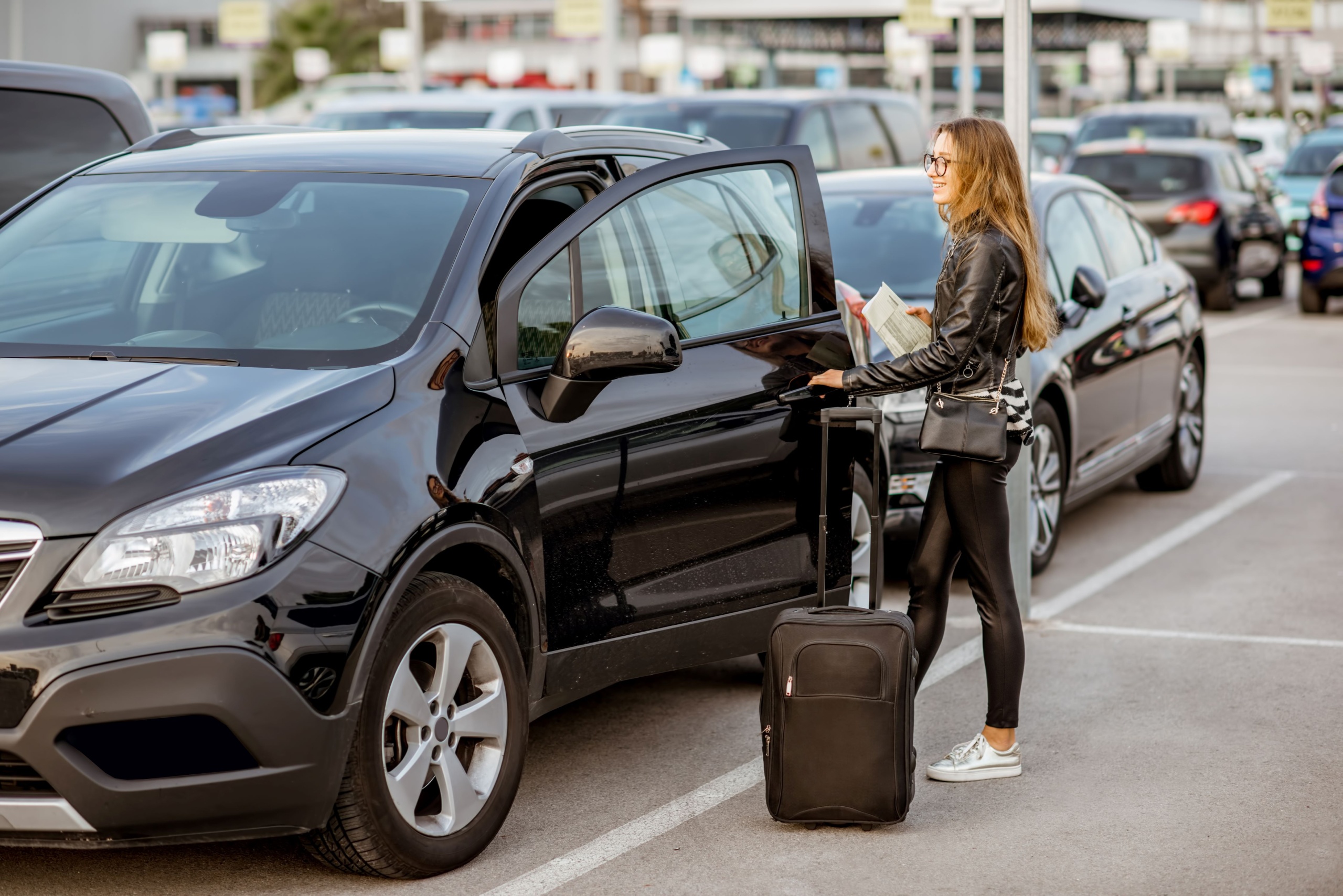
Getting hurt in a rideshare feels different from a regular car accident from the first minute. There is no owner standing at the scene, just a driver working for an app. Is Uber liable for accidents like this one, or does the company stay out of it entirely? The honest answer sits somewhere in between. It depends almost entirely on what the app was doing at the moment of the crash.
Is Uber Liable for Accidents in New Jersey
Uber and Lyft classify their drivers as independent contractors rather than employees. That distinction changes more than almost anything else in a rideshare case. An employer usually answers for what an employee does on the job. An independent contractor relationship works differently. Insurance policies end up covering a lot of that responsibility instead of the company itself.
New Jersey’s Transportation Network Company Safety and Regulatory Act sets the rules for rideshare accidents in NJ and PA. It splits every trip into three separate periods. Each period comes with its own insurance requirements. Getting hurt during one period can mean a very different claim than getting hurt during another. A crash can look identical from the outside either way.
Why Rideshare Accidents Are Not Like Regular Car Accidents
Regular car accidents in New Jersey usually run through the no-fault system. A driver’s own personal injury protection pays first. Rideshare vehicles complicate that setup. State law excludes any vehicle for hire from standard personal injury protection coverage. That exclusion is why New Jersey needed a separate law just for rideshare trips in the first place.
That hole in the ordinary no-fault system is why the Transportation Network Company Act exists at all. Without it, a driver’s own insurer could deny a claim. The reason would be that the car was being used for hire at the time. The law forces Uber and Lyft to fill that hole with their own coverage instead.
Is Uber Liable for Accidents Caused by the Driver
Is Uber liable for accidents the driver personally causes? Usually not directly, though the company’s insurance often ends up paying anyway. When the app is off, a crash falls entirely on the driver’s personal auto policy. That works the same as any other driver on the road. Uber and Lyft stay out of that scenario completely.
New Jersey courts have already drawn a sharp line around which apps even count here. A 2022 court ruling found that food delivery apps like Uber Eats do not qualify for the same protections. Delivering a package raises a different question of who’s responsible in ridesharing accidents than carrying a paying rider does. That difference can change a case a great deal if the vehicle involved was doing deliveries instead.
What Happens When Another Driver Causes the Crash
Getting hit by a rideshare vehicle as a third party works closer to a normal accident claim. That includes someone in another car entirely. The at-fault driver’s insurance responds first, whether that driver happens to be working for Uber or just running an errand. The rideshare company’s own coverage only becomes relevant once the driver’s app status changes. It has to cross into one of the two active periods the law defines.
That coverage can stack in a passenger’s favor too. New Jersey requires uninsured and underinsured motorist protection as part of the rideshare insurance package. That sits on top of the liability coverage itself. A passenger hurt by a driver with too little insurance of their own is not automatically stuck absorbing the difference.
How Uber’s Insurance Coverage Works
Uber’s insurance coverage works in three distinct tiers, and the dollar amounts jump sharply between them. With the app on but no ride accepted yet, the required minimum sits at fifty thousand dollars per person and one hundred thousand dollars per accident, plus twenty five thousand for property damage. That first tier offers the thinnest protection in the entire system.
Once a ride request gets accepted, the numbers change completely. From acceptance through the moment the passenger steps out of the car, New Jersey law requires a combined one and a half million dollars in liability coverage. It also requires another one and a half million in uninsured and underinsured motorist protection. That jump reflects how much more exposure exists once an actual passenger is involved.
The Three Insurance Periods That Change Everything
Knowing which of the three periods applied at the moment of a crash often decides the entire case. A driver who logs off the app the moment before impact can change the outcome entirely. So can a dispute over whether a ride had been accepted yet. Either one can move a claim from the thin first tier into the far larger coverage that applies once a ride is underway.
Is Uber Liable for Accidents Involving a Passenger
Is Uber liable for accidents involving a passenger who gets hurt mid-ride? This is where coverage runs the deepest. A passenger sits inside the highest tier of protection for the entire trip. That protection runs from pickup until the passenger physically exits the vehicle.
A passenger’s own auto policy rarely gets touched in a rideshare crash. The rideshare company’s insurance is built to respond first while a ride is active. Someone without a car of their own, relying entirely on rideshare trips, still has protection. Not driving does not remove that coverage.
What to Do Immediately After a Rideshare Accident in NJ
A few steps right after a rideshare crash protect a claim later. That stays true even before anyone knows which insurance period applies. Screenshotting the trip details inside the app preserves proof of when the ride started.
That single screenshot can become the fact a dispute turns on weeks later. Reporting the crash through the app itself, separate from any police report, answers part of what happens if your Uber is in an accident. That report creates a second record on Uber’s own side.
Getting medical attention counts even when an injury feels minor at first. Rideshare insurance claims can drag on long enough that undocumented injuries become harder to connect back to the crash. Skipping documentation is one of the common mistakes that can ruin your car accident claim, rideshare or otherwise. That paperwork would have made weeks-later disputes far shorter.
When a Lawyer Becomes Worth Calling
A lawyer becomes worth calling the moment more than one insurance policy might apply to the same crash. Rideshare cases routinely involve two insurers at once: the driver’s own, and the rideshare company’s. A third driver’s insurer sometimes joins in too, each one pointing at the others. Untangling which policy pays first is not something one person can usually manage alone against three companies at once.
The same steps used to prove liability in a car accident case in New Jersey still apply here, just spread across more parties than usual. Clear proof of who ran the light or merged unsafely still decides liability first. Insurance companies only divide up the payout after that.
Is Uber Liable for Accidents: Common Questions
Can Uber’s own driver-tracking data be used as evidence in an accident claim?
Yes, and it often becomes some of the strongest evidence available. Uber’s app records GPS location, speed, and trip timing. All of that can settle disputes about where a driver was. It also shows what they were doing at the moment of impact.
Does it change anything if the crash involved a delivery app instead of a rideshare app?
Yes. Delivery apps like Uber Eats are not covered by the same rideshare insurance rules at all. A 2022 court ruling made that clear. A crash during a food delivery run usually falls back on personal auto coverage instead. Some delivery apps also add occupational accident insurance on top of that, rather than the three-tier rideshare system.
What if the rideshare driver was between rides when the crash happened?
That is often the hardest scenario to sort out, and insurance adjusters know it. They frequently ask for the app timestamp before agreeing to anything, since a difference of even a minute can move a claim between insurance tiers with a million dollar difference between them.
What to Remember If a Rideshare Ride Goes Wrong
Is Uber liable for accidents in general, or just some of them? It almost always comes down to one detail. That detail is what the app was doing when the crash happened. App off means a personal policy responds alone.
Waiting for a ride means thin coverage with real limits. An active ride means the largest coverage tier New Jersey law requires. Sorting out which period applied changes who ends up paying.
Sources
New Jersey Motor Vehicle Commission, Transportation Network Company (TNC) Regulatory Act
New Jersey Legislature, P.L. 2017, c.26, Transportation Network Company Safety and Regulatory Act