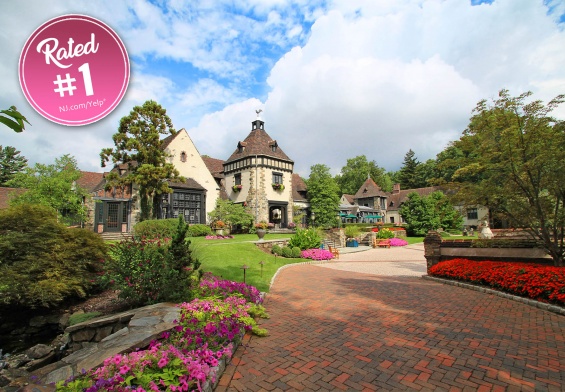

Photos of the venue look gorgeous. The capacity number far exceeds the guest list. Amenities mention AV, catering, and free valet parking. But when the event happens, the room seats 50 less people, there’s no AV technician, and the caterer’s nowhere to be found.
The range in what NJ corporate event venues typically offer is broad enough that two venues with identical-looking descriptions can produce completely different outcomes. According to a 2024 report from Corporate Event News, 66% of companies hosting many event formats said in-person events generated the most revenue. That raises the stakes when deciding between NJ corporate event venues.
What to Evaluate in a Corporate Event Venue Before You Visit
Capacity, Layout, and Flow
The capacity figures on the website and fire code maximums don’t always match up. If a venue has a presentation stage, designated networking area, and registration table, they’re taking up space. Their presence might reduce the working capacity to 60-70% of whatever’s on the website. For example, a room that holds 200 for a cocktail reception might only be able to seat 120 for a plated dinner presentation.
Flow through the space matters as much as total square footage. Where do attendees go between sessions? Is there a separate area for registration that doesn’t bottleneck the entrance? Can food service happen without disrupting a presentation in the main room? Marketing photos can’t answer those questions, but floor plans certainly can.
Sightlines and ceiling height are the variables photos most consistently obscure. A column in the wrong position blocks a third of the room from seeing the stage. A low ceiling makes a room feel crowded at half capacity. Some planners walk away mid-tour because the floor plan doesn’t match their event requirements. They understand the influence the room’s layout has on the rest of the event. That’s why venue type shapes every other event decision more clearly on a schematic than it ever will on a walkthrough alone.
AV, Tech, and What “Fully Equipped” Actually Means
“Fully equipped” on a venue’s website can mean anything. The setup could be a single projector and a screen, or a multi-zone digital staging setup with integrated sound, broadcast-quality lighting, and a dedicated on-site AV technician. That becomes a problem if a presentation requires two screens for simultaneous content, or a hybrid event needs a production feed for remote attendees.
Ask specifically whether the rental includes AV support or if it’s billed separately. Ask whether the system is self-serve or staff-supported. For conferences or events with external speakers, ask what format the system accepts and whether the setup time includes a tech rehearsal window. The WiFi question is worth asking directly as well: upload and download speeds at many NJ venues are enough for basic email but fall short for hybrid events where many people are broadcasting at once. Getting that number ahead of time prevents the frantic search for bandwidth that happens when a keynote presenter can’t load their slides.
Catering: The Variable That Breaks or Makes the Day
In-House vs. Approved Vendor Lists
Some venues require you to use their in-house catering operation. Some maintain an approved vendor list. Others have no catering restrictions at all.
When catering is in-house, one team owns the food, the service, and the timeline. When something goes wrong, there is one call to make. But it’s only one kitchen, and that one kitchen can only do so much. Pricing is also fixed regardless of whether it represents good value for the specific menu.
Approved vendor lists give more flexibility in theory, but they split the accountability. If something goes wrong, the blame becomes ambiguous. Planners who have coordinated multi-vendor events in NJ know that the moment food and venue are under separate contracts, the event has two owners instead of one.
When On-Site Culinary Makes a Difference
Board dinners, client hospitality events, and leadership retreats place a lot of emphasis on the food itself. Its quality and customization is more of a focal point than panel discussions. Menu flexibility, dietary accommodation depth, and the sourcing story behind the ingredients all carry weight when the attendees are people the company is trying to impress or retain.
How an on-site executive chef changes what’s possible for a corporate menu is worth understanding before signing a contract. The difference between a standard catered meal and a thoughtfully designed menu built for the occasion shows up on the plate and in the conversation afterward.
Location, Grounds, and the Attendee Experience
Accessibility and Parking in NJ
NJ corporate events attract people from a wide geographic area. Attendees might come in from Manhattan, the Jersey Shore, Philadelphia, or beyond. How they get there, NJ Transit or major highways, plays a role in attendance. A less accessible venue might bring in lower RSVPs than expected, regardless of how beautiful or well-staffed it is.
In the same vein, on-site parking is harder limit than most people think. Venues relying on street parking or off-site overflow lots introduce friction before an attendee walks through the door. For events of 75 people or more, ask the venue for a specific number of dedicated on-site parking spaces. Don’t settle for a general assurance that parking is available. What makes northern NJ estate properties work for large gatherings is often this combination: access from major corridors, with grounds that absorb parking and event logistics without forcing attendees to navigate around each other.
What the Setting Communicates About the Company
A corporate venue communicates the kind of event before the first speaker starts. A standard hotel ballroom suggests efficiency and familiarity. A distinctive estate property suggests that the company cared about atmosphere, pace, and the experience surrounding the agenda.
According to a 2024 Momencio report, 67% of executives increased their meeting budgets that year. The venue decision is usually where those budget increases end up, especially for recognition events, leadership off-sites, and client hospitality days.
Venues that source food from their own working property carry a story that resonates with companies whose culture values provenance and sustainability, and that story becomes part of what attendees take away.
Venue experiences that go beyond the standard room-and-catering package remove the separate vendor coordination that off-site activities need. They often become the part of the event attendees describe later to colleagues who were not there.
For planners comparing venue proposals, where NJ event costs tend to concentrate follows the same pattern across event types. Knowing that before proposals arrive means fewer surprises when catering, AV, and staffing are quoted as line items rather than a single fee.
Frequently Asked Questions About Corporate Event Planning in NJ
How far in advance should a corporate event venue in NJ be booked?
Six to twelve months out is the standard range for events of 75 people or more. Q4 holiday parties are the most compressed window. Prime December dates at established NJ venues fill by August or September. Spring dates in April and May go next, partly because of competition from mitzvahs, weddings, and graduation events that pressure the same pool of experienced venue staff across the same calendar weeks.
What does a corporate event venue in NJ typically cost?
The range is genuinely wide. A half-day meeting room for 20 people may run $500 to $1,500. A full-day event for 150 with catering, AV, and staffing at a full-service NJ estate venue typically runs $15,000 to $40,000 or more depending on menu, bar service, and add-ons. The all-inclusive versus a la carte pricing model changes how those comparisons look significantly, and the gap between a venue’s room rental fee and its total event cost is where most budget surprises live.
Do NJ corporate event venues require event insurance?
Most do. A certificate of insurance naming the venue as an extra insured is standard for events of any significant size. Some venues have minimum coverage requirements. Confirm the specific requirements before signing, because securing insurance after the contract is signed is an extra step that almost always gets pushed to the last week before the event.
What questions should be asked before signing a venue contract?
Exclusivity of the space is the first. Is another event happening in an adjacent room or on the same property at the same time? Minimum spend requirements, overtime fees, and whether the rental window includes setup and breakdown time are the others that most often create surprises. Cancellation and postponement policies became more visible after 2020 and are now worth reading carefully rather than assuming they follow a standard template.
The Criteria That Actually Separate Good Venues From Adequate Ones
The venues that hold up best under pressure are usually the ones that answered the unglamorous questions well before signing any contracts. The room fit the real guest count. The AV system matched the presentation needs. The catering structure matched the event’s level of importance. Parking, access, and staffing were clear before invitations ever went out.
That difference usually becomes visible too late for the teams who vibe-book based on photos, broad capacity numbers, and amenity lists alone. What separates a venue worth booking from one that looks good on paper is almost always about those early questions. The planners who avoid problems are usually the ones who asked for the floor plan, the tech specs, the parking count, and the contract terms before they fell in love with the room.
Sources
New Report Reveals Events Are Mission-Critical for Business Growth — Corporate Event News
50 Key Event Industry Statistics — Momencio