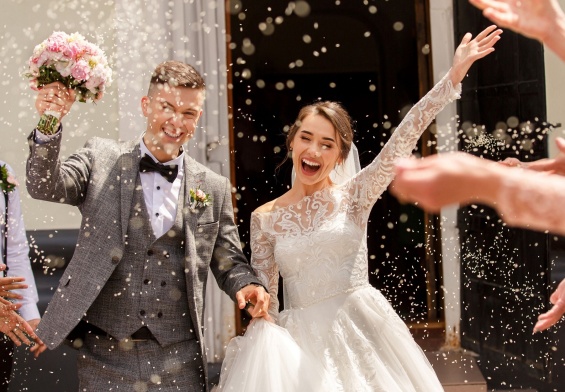
Everyone raves over the photos at every wedding, but what about the videos? Most people see wedding videography as an add-on, something that stays on the maybe-list. They might come back to it, but only after the venue, catering, flowers, and other major expenses have settled into the budget. So, it begs the question, is a wedding videographer worth it?
The short answer, as with most things in life, is that it depends. Do you and your spouse care about hearing voices, watching movement, and reliving the parts of the day? If so, the answer is likely yes. But if you won’t watch the videos often and mainly want some photos to display, it becomes harder to justify.
Making the decision becomes easier when you separate videography and photography. When you drop them into separate categories, you see how photography can preserve the tilt of a smile or the color of the light. You also see how it can’t preserve your partner’s voice catching during the vows or the fifteen seconds your grandmother laughed so hard she had to sit down.
Those are different kinds of memories.
What a Wedding Videographer Preserves
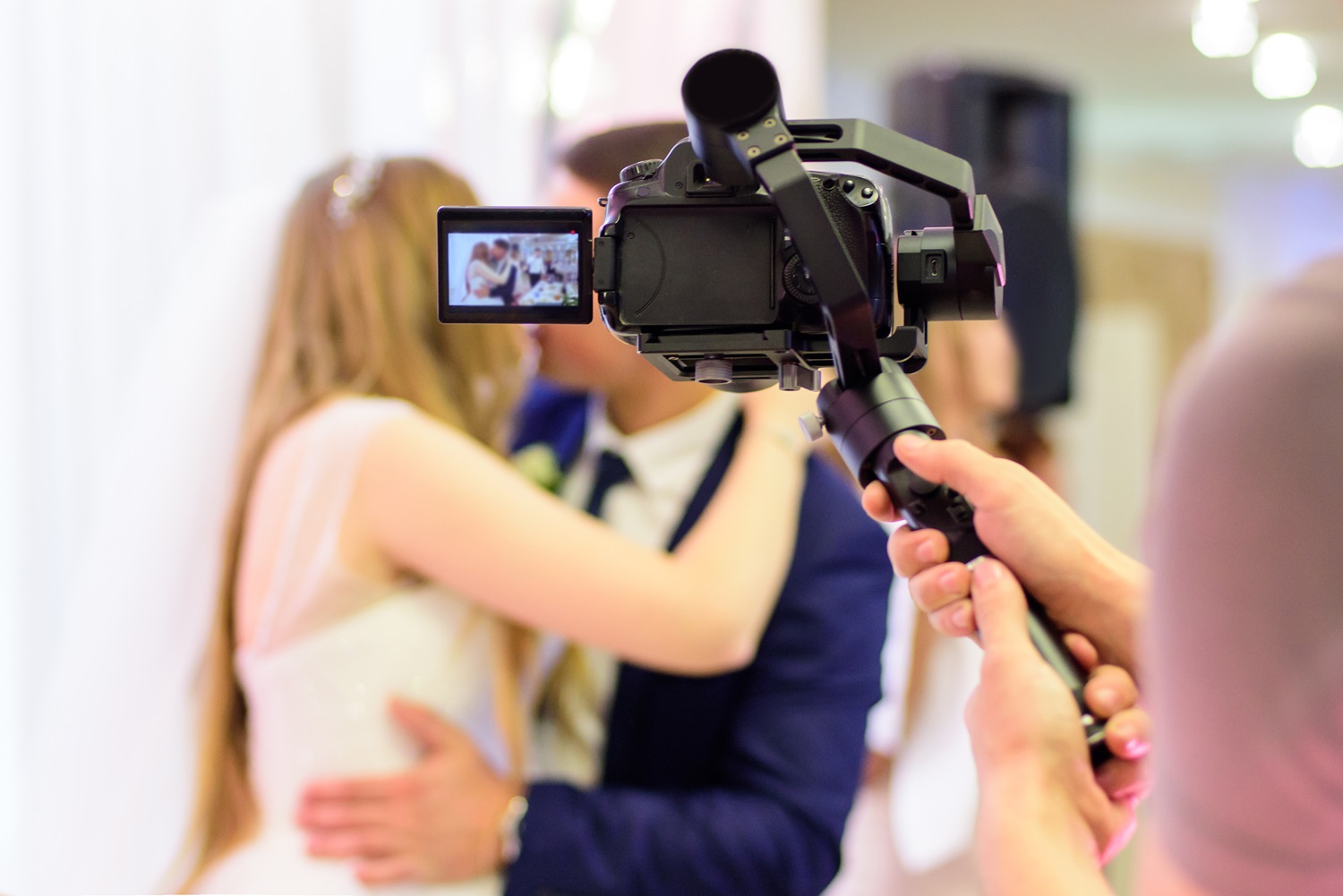
Professional wedding videography services commonly use multiple cameras and separate audio equipment during the ceremony. A full setup may include wireless microphones on each partner and a dedicated recorder near the officiant.
That equipment ensures coverage of the most important part: the ceremony. It can get difficult to hear or see when the wind picks up or the room’s acoustics aren’t great.
Photographs capture moments in time, and that’s great. You’ll certainly want those memories preserved, but videography can take it a step further, capturing the context around each moment. While a photo can show your father’s expression during the father-daughter dance, the video adds the song, the story he told into the microphone, and the moment he tried to collect himself before speaking.
Motion adds another layer entirely. A dress swirls during a first spin. A veil catches the wind and falls back into place. A shaking hand steadies just before the ring slides onto a finger.
A wedding film can also show moments you missed during the hectic whirlwind of a wedding day. Your videographer might have recorded a long-awaited reunion between old friends, a parent watching the ceremony, or children having a blast while you were off greeting your third cousins.
When Photography May Be Enough
Of course, videography isn’t always worth it for every couple. Some people know they love to print photos and build albums with them, but rarely sit down to watch a film. And that’s OK.
A great photographer can provide a complete enough visual record of the day for those couples. But choosing the right wedding photographer becomes even more important in that situation, because there’s less room for error. That photographer needs to get every formal portrait and candid reaction.
Think about how you already revisit memories. Do you scroll through old photos? Do you watch family videos without anyone prompting you? Have you saved voice messages because hearing the person meant more than reading the words?
Introspecting your existing habits is a much better gauge of whether you need video than generic internet blogs.
How Photography and Video Packages Work Together
Studios offering combined photography and video packages often organize coverage into tiers. A basic option may include ceremony and reception coverage with a short highlight film. Larger packages may add a longer feature edit, full ceremony footage, drone coverage, raw footage, or a same-day film shown during the reception.
Highlight films commonly run around three to seven minutes. They are edited tightly enough to share with friends and family without asking them to sit through the entire wedding.
Longer edits may include the full ceremony, complete speeches, major dances, and more of the reception. These films can run from twenty minutes to more than an hour, depending on the package and editing style.
Hiring a photographer and videographer from the same in-house team can remove a lot of the day’s friction. When they’ve worked together before, they often already know how the other person moves, where each camera is likely to be set up, and who will take the primary angle during major moments. This keeps them from, for example, stepping into one another’s shots or competing for the same position.
That’s not to say separate vendors can’t work together well, especially if they’re both reputable and experienced. If you’re hiring multiple vendors, ask whether they will communicate before the wedding, compare timelines, and discuss ceremony restrictions or reception lighting in advance.
Why Video Often Gets Cut From the Budget
Video is easier to eliminate from the budget because it feels less tangible before the wedding. Couples can hold an album, frame a portrait, or use photographs in thank-you cards. A film lives on a screen and doesn’t feel as concrete while the budget’s still in the works.
Cost creates the biggest reason to hesitate. Adding another professional team can compete with the honeymoon, future housing plans, or savings you will still need.
Some people are also uncomfortable on camera. They may feel natural around a photographer moving through the room but become self-conscious when they notice a video rig.
Those concerns deserve to be taken seriously. Your wedding budget exists to make the day special, not prove how much your memories mean to you.
Try Video Before Committing to Full Coverage
If you’re still asking yourselves “is wedding videography worth it,” try setting up an engagement session as a lower-stakes test run. Add a short video option and see how the finished footage feels when you and your partner are the subjects.
You’ll get a feel for the videographer’s pacing, color, audio choices, and editing style on your own faces and voices. And if either of you is uncomfortable being filmed, it’s better to learn that before the wedding day.
Video is more likely to justify its place in the budget when:
- Older relatives or family members whose voices you want to preserve will be present
- The ceremony includes personal vows, readings, music, or meaningful speeches
- You already rewatch home videos on your own rather than only when someone else puts them on
- You are planning a large or fast-moving wedding where you will miss parts of the reception
- The expense fits without taking money from savings or necessities
You should never take on any debt for any wedding vendor. Reduce the amount of coverage or skip it when the only way to pay involves emergency savings, a house fund, or credit-card balances you cannot clear.
What Wedding Videography Costs
Wedding videography prices vary by location, hours of coverage, team size, editing, travel, and deliverables.
The Knot reports that wedding videography in the United States comes with an average cost of $2,300. Zola places the national average just under $4,000, with many couples spending between roughly $3,200 and $4,800.
Those figures can feel substantial during the planning phase, before they become tangible. Video becomes easier to evaluate when you consider when and how you may use it later.
A film can return on an anniversary, after a family member has died, or on an ordinary Tuesday when you want to hear the vows again. The fifth anniversary and the twenty-fifth are obvious occasions, but you don’t have to wait for those milestones to break out the footage.
That doesn’t mean every budget should accommodate these prices. It explains why some couples see this expense differently than decorations or favors that serve only the wedding day.
Ways to Reduce the Cost
Full-day coverage with multiple shooters and a heavily produced feature film is only one option. Couples may be able to lower the price by:
- Covering the ceremony and speeches instead of the full day
- Booking fewer hours
- Choosing a short highlight film
- Requesting documentary-style edits with less intensive production
- Purchasing raw footage when the studio offers it
- Removing drone coverage or same-day editing
Ask what you’re sacrificing for a smaller package. One videographer may handle ceremony and reception coverage effectively, but one person can’t capture two angles at the same moment.
Photography brings its own pricing complications. Reviewing the hidden costs of hiring a wedding photographer alongside the video proposal can help you compare overtime, travel, albums, second shooters, editing, and delivery terms using the same standard.
Questions Couples Ask Before Booking Video
Can we add a videographer later?
Sometimes. Availability becomes the main limitation.
A studio may allow you to add coverage several months before the wedding, but experienced videographers can book popular dates a year or more in advance. Ask about video early even when you are not ready to commit.
Your photographer may offer video through the same studio or recommend someone whose working style fits their own.
How long is a typical wedding video?
Most packages contain more than one edit.
A highlight film often runs three to seven minutes and is designed for easy sharing. A feature film or full ceremony edit may run twenty minutes to more than an hour.
The package should state whether you receive complete vows and speeches or only excerpts selected for the highlight film. Do not assume “wedding video” means the entire ceremony is included.
Can one person handle both photography and video?
Technically, yes. In practice, one person can’t take a photograph and operate a separate video angle at the same time.
A solo hybrid shooter must decide which format gets priority during each moment. Vows, first kisses, entrances, and speeches happen once, leaving little room to switch equipment.
Book separate people when photographs and video are both priorities for you. A hybrid arrangement makes more sense when video is a small supplement to photography rather than a full record of the day.
The Ten-Year Test
Imagine yourself ten years from now, unable to hear the vows, the speeches, or your grandmother’s toast again.
Notice your first reaction. A strong feeling of loss suggests video belongs higher on the priority list. A beautiful album may be enough when the missing audio does not trouble you and photographs are how you naturally revisit important days.
Once the coverage is settled, add both teams to the wedding photography timeline. Sharing the ceremony, portrait, speech, and reception schedule early gives everyone a better chance of being in the right place before the moment begins.
Sources
The Knot, Average Cost of a Wedding Videographer
Zola, Wedding Videographer Cost: Average Prices and Packages