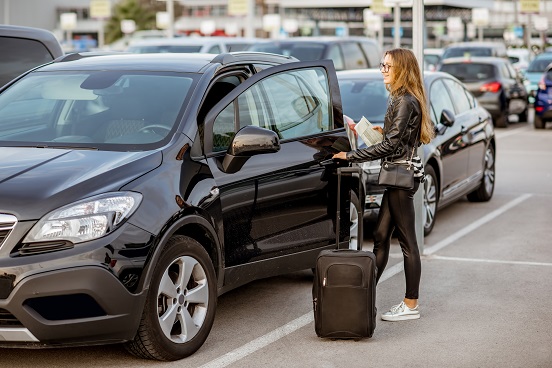
You reach for your keys in your pocket, and your stomach fills with dread when they’re not there. Whether they’re on the seat, in the cupholder, or still in the ignition, being locked out of your car is one of those situations where the first sixty seconds are the most likely to produce a bad decision.
Knowing what to do before it happens, or at least before you start pulling on the door handle or fishing around for a wire hanger, makes the rest of the situation considerably easier. The people who get through a lockout with the least hassle are usually the ones who already have the number for a car lockout service in NJ saved.
What to Do First When You Are Locked Out of Your Car
Stay Calm and Check the Obvious First
Before calling anyone, check all four doors and the trunk. This sounds obvious, but a significant number of lockout calls get canceled because one door was unlocked the whole time. You’d be surprised by the number of people who forget about their passenger and back doors.
If a spare key is available, at home, with a family member nearby, or in a lockbox on the property, that’s worth a phone call before calling a lockout service. The few minutes it takes to make that call is almost always faster than waiting for a technician to arrive.
If a child or a pet is inside the car, do not wait for a lockout service. Call 911 immediately. A car interior heats up faster than most people expect, and this situation is in a different category from a standard lockout.
Before making any calls, note your exact location. An address or the nearest cross streets is what a dispatcher needs to get someone to you quickly. Knowing your car’s make, model, and color before you call also speeds up the conversation.
Who to Call and in What Order
The right call depends on what coverage you have. If you have roadside assistance through your insurance, a membership program, or your credit card, that is the first call. Always understand what roadside assistance covers for a car lockout instead of just assuming you’re covered. Not all programs provide the same coverage.
If roadside assistance is not available or the wait time is unreasonable, a local lockout or towing service is generally the next call. In NJ, local providers are often faster and more familiar with the area than national dispatch services, which route calls through a central system. A locksmith is also an option, but response times and pricing vary more than with dedicated lockout services.
What Not to Do When You Are Locked Out of Your Car
Why DIY Entry Methods Usually Make Things Worse
The slim jim and coat hanger approach that works in movies reliably damages door seals, weather stripping, and lock mechanisms on actual cars. Modern vehicle doors are not designed to be accessed from the outside with improvised tools, and the damage caused by a failed DIY attempt often costs more to repair than the lockout call.
There’s only one situation in which breaking a window is advisable. That’s when a child or animal is trapped inside in dangerous heat. Outside of that scenario, a broken window means a replacement cost, a car that cannot be secured until the repair is done, and a mess. None of these are worth dealing with over the lockout itself.
Calling 911 for a non-emergency lockout is not recommended as a primary approach. Some NJ police departments will assist, and some carry slim jim tools specifically for this purpose. Response times are unpredictable, and many departments treat a locked car with no emergency inside as low priority.
Scams to Watch Out For
Bait-and-switch pricing is the most common problem NJ drivers run into with lockout services. A provider quotes a low price on the phone and the number changes significantly once the technician is on-site. At that point, they have you right where they want you. Ask specifically for a flat rate before anyone is dispatched, and confirm that price covers labor, not just a trip fee.
Unlicensed locksmiths are a real and documented problem in NJ. An unmarked vehicle, a phone number that does not correspond to a local area code, no physical address on the website, and pressure to pay cash only are the clearest warning signs. The common questions NJ drivers ask about lockout and towing calls almost always come down to the same concerns: how long it takes, what it costs, and whether the car will be damaged in the process. Getting those answers clearly before the truck rolls is the right move.
What a Car Lockout Service in NJ Actually Costs
What Affects the Price
Standard lockout calls in NJ usually run between $50 and $150 during normal business hours. After-hours calls, weekend calls, and calls in more remote areas of the state run higher. The type of lock system matters too. Older mechanical locks are faster and simpler to open than electronic systems, push-to-start vehicles, or cars with advanced security features. A technician who deals with modern vehicles regularly will usually have the right equipment, but the call may take longer and cost more than a basic key-in-lock situation.
Roadside assistance and towing services in Irvington, Clifton, Paterson, Newark, and other urban NJ locations tend to have faster response times and more competitive pricing than suburban or rural areas simply because more providers are operating nearby. Knowing what NJ towing services typically charge gives you a useful benchmark before you call, because a price that sounds reasonable in one part of the state may be on the high end in another.
When Insurance Covers It
Roadside assistance riders on standard NJ auto insurance policies often cover lockouts, but the reimbursement model varies. Some policies dispatch a service directly. Others reimburse after the fact, which means paying out of pocket first and filing a claim later. Knowing whether your NJ auto insurance covers lockout and towing calls is the kind of thing most drivers put off until they need it.
AAA membership covers lockouts directly, usually with no additional cost per call up to a set number of incidents per year. Credit card roadside benefits exist through several major cards but are often limited to one or two calls annually and may require direct payment at the time of service with reimbursement to follow.
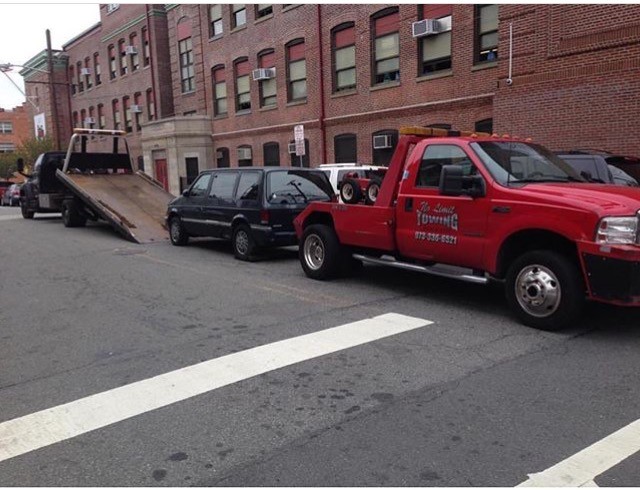
Occasionally a lockout call turns into something more. A car that will not start once the door is open, a mechanical issue that makes the vehicle unsafe to drive, or a situation where the car needs to be moved to a safer location shifts the situation. Knowing when a lockout situation becomes a towing situation helps you have a realistic conversation with the technician about what is actually going to happen and what it is going to cost.
Frequently Asked Questions About Car Lockouts in NJ
How long does a car lockout service take to arrive in NJ?
Most local providers in urban and suburban NJ quote 20 to 45 minutes. High-traffic times, distance from the nearest available technician, and weather all affect that window. If the quoted arrival time is significantly longer than 45 minutes, try another provider.
Will a lockout service damage my car?
A professional lockout service using proper tools should leave no damage. The scenarios where damage occurs are almost always DIY attempts, which put lateral pressure on door seals and frames that proper lockout equipment avoids entirely. If a technician causes damage, get documentation before they leave.
What if my keys are locked inside with the car running?
This is a higher-priority situation than a standard lockout. The car is consuming fuel, and depending on where it is parked, there may be safety or theft concerns. Call a lockout service immediately rather than waiting to see if the car runs out of gas on its own. In most modern vehicles, a running car will not lock its doors automatically, but some older or modified vehicles behave differently.
Before It Happens Again
Most drivers don’t think about lockouts until they happen. By then the two-minute setup that would have solved the problem is out the window. What hurts with problems like these is usually not the problems themselves, but realizing you never set up a backup before it happened. That is also why long drives and bad-weather trips tend to expose what goes wrong with cars when you least expect it faster than routine errands. The stakes and the distance from home amplify every gap in preparation.
Newer vehicles offer remote unlock through manufacturer apps, connected car services, or secondary key fobs registered with a family member. These work well until they don’t. A dead phone battery, an expired subscription, or a gap in cell coverage is all it takes to make the digital backup disappear. A physical spare remains the most reliable option regardless of what technology the car supports.