If you are wondering what to send someone after surgery, you are probably already overthinking it. Flowers or food are the first instinct, but many hospitals do not allow either on the surgical floor. Knowing what patients say they remembered and what recovery wards permit changes the whole approach.
What Hospitals Restrict and Why
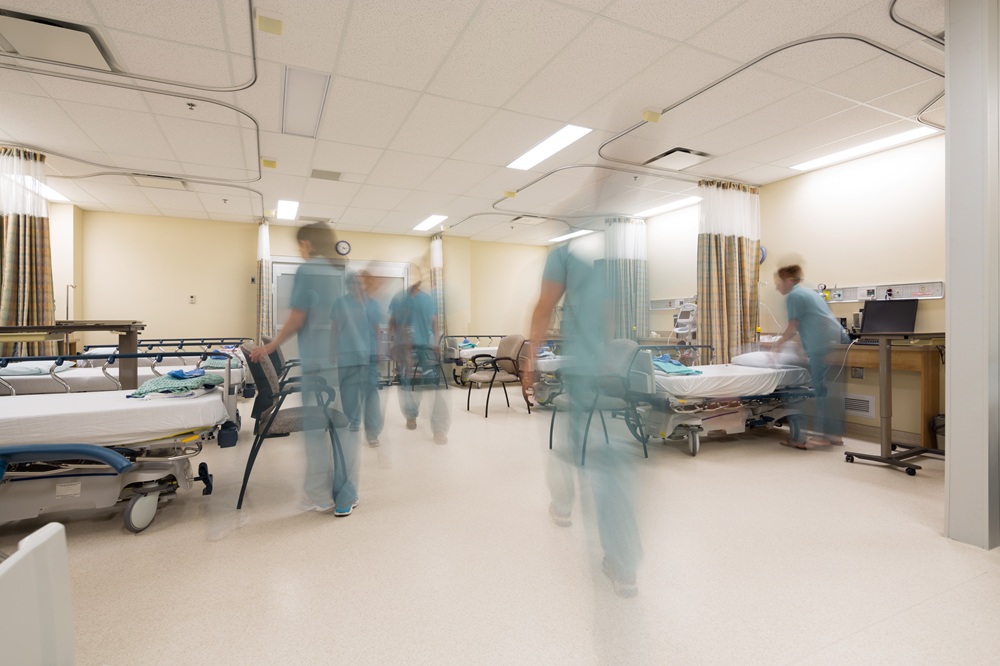
Fresh flowers face bans in many surgical recovery wards. Post-surgical patients are frequently immunocompromised, and flowers carry mold spores and bacteria that healthy visitors would never notice. Some hospitals extend the restriction to potted plants. Latex balloons face bans in virtually every hospital due to allergy risk. Outside food is restricted or prohibited on many surgical floors for infection-control reasons.
The default instincts run directly into hospital policy before they reach the patient. Checking the specific facility’s guidelines before ordering is the first practical step. Most hospital websites list visitor and delivery restrictions in their patient resources sections. People managing recovery at home after discharge have an entirely different set of recovery steps. Knowing how long the home recovery phase typically runs helps frame just how wide the window you have for supporting someone is.
What to Send Someone After Surgery: Two Windows, Not One
Support clusters in the first 48 hours. Cards, calls, and deliveries arrive around the surgery date and the day of discharge. But patients recovering from major procedures face four to twelve weeks at home.
By week two, the well-wishing has stopped, the calls come less often, and the pain and immobility remain. Two sending windows work better than one. The first is around the surgery itself. The second is two to three weeks after discharge, when the isolation of recovery peaks and almost no one is still sending anything.
What Patients Say They Remember Most
Patient accounts of recovery point to a consistent finding. The gestures people remember are the ones that required nothing of them and outlasted the first few days.
Food disappeared within days. Flowers wilted and were thrown out. Cards sat on a nightstand at day ten, still there. Patients in longer recoveries describe cards as a daily visible reminder that someone was thinking of them. When people try to figure out what to send someone after surgery, get well cards are the category patients say they held onto longest.
Knowing that a card is the thing most likely to stay does not solve what to put inside it. Recovery is a strange thing to write toward, since the person is not sick in the way a common cold is sick, and cheerful is often the wrong note. There is guidance on what to write in a get well card when you do not know the details of someone’s specific situation, which is most of the time.
What to Send Someone After Surgery: Why Format Matters
Why Cards Outlast Everything Else in a Recovery Room
A card is the only thing still present on day fourteen. Flowers are gone by day five, balloons have deflated, and food is long finished. A card stays where it was placed and stays visible each time the patient looks in that direction.
This lands differently during a recovery than it would otherwise. When someone is stuck in bed or moving slowly through a limited space, the objects around them become more present than they normally would be. A card that opens into something three-dimensional gets picked up and looked at more than once. Whether a flat card or one that creates a moment when opened, each card makes a real difference in how someone feels during recovery.
What to Send Someone After Surgery When You Cannot Visit
Three states away, you cannot drop off food. You cannot sit with someone for an hour. What you can do is mail something that arrives without requiring them to be present, responsive, or ready for it.
A mailed card sits in the mailbox until they are ready for it. For people recovering from procedures that affect energy or mood, and most major surgeries affect both, that quality changes what the gesture asks of them, which is nothing. Research on patient experience finds that something arriving by mail during a recovery registers differently from a text or a call. It does not ask anything back. The way a card makes someone feel after its been sent from a distance is something patients describe as a different level of comfort during a hard time.
Supporting Someone Through the Full Recovery
“Let me know if you need anything” almost never results in anyone asking. People recovering from surgery do not want to feel like a burden. An open-ended offer puts the work back onto the person with the least capacity for it. Specific offers work better. “I am bringing dinner on Thursday” or “I am sending you something next week” remove the burden entirely.
The same logic applies to timing. Something that arrives at the two-week mark hits differently than everything that came on day one. The person has been home long enough to feel the full weight of the recovery. The initial wave of contact has stopped. A card from the just for the sake of friendship sent at week two tells the recipient that someone is still thinking about them. That is the gesture patients say they wished had come later in the recovery.
FAQ
Can you send flowers to someone in the hospital after surgery?
Check the facility’s policy before ordering. Many surgical recovery wards ban fresh flowers due to infection risk, particularly for patients who are immunocompromised after a procedure. Potted plants face similar restrictions in many facilities. A card is the safest hospital send because it clears the restrictions on every surgical floor and requires no coordination on the patient’s end. If flowers are important to you, send them two weeks after discharge when the person is home.
What is the best time to send something to someone after surgery?
Two windows work best. The first is around the surgery itself, the day of or the day after discharge. The second is two to three weeks after discharge, when the initial wave of contact has ended and the person is still in recovery. Something arriving at week two is noticed more and kept longer than anything that came in the first 48 hours.
What should you write to someone recovering from surgery?
Short and specific is better than long and general. Mention something real: a memory, something true about that person that has nothing to do with their surgery. Avoid framing that pressures them to stay positive or recover on a timeline. “I am thinking about you” with one specific sentence behind it does more than a paragraph of encouragement that reads like every other card they received.
What Recovery Needs From the People Around It
Recovery is longer than visitors assume and lonelier than patients will say. Support that arrives on day one is expected and appreciated. Support that shows up at week three, when most contact has stopped, is what people describe years later. Figuring out what to send someone after surgery comes down to a practical test: does it last, does it ask nothing of them, and does it arrive when no one else is sending anything.
Sources:
CDC, Guidelines for Environmental Infection Control in Health-Care Facilities
National Library of Medicine, Social Support and Recovery Outcomes in Surgical Patients
The Joint Commission, Patient Experience Resources